
By Lacey Yates
STANDARD DISCLAIMER: I am not a vet and this is not meant to diagnose or treat your animal without consulting your vet. This is purely for educational purposes only. Please contact and work directly with your vet.
I have been mentoring a couple people this last year. It’s been a very rewarding experience and have been able to help some really great people get a really great and solid start to raising healthy Nubians. Recently this mentoring journey threw something at me that I admittedly have never had a case of: Pregnancy Toxemia or (Ketosis). This post is all about the signs of ketosis and how to manage it to the best of abilities.
What is Pregnancy Toxemia?
Simply put, it is a negative energy balance. This means that the goat’s babies are taking in more than the goat can consume via calories and will start to metabolize fats into ketones. Ketones will begin to build up in the blood causing metabolic issues, and kidney and electrolyte functions shut down.
Here’s the Story
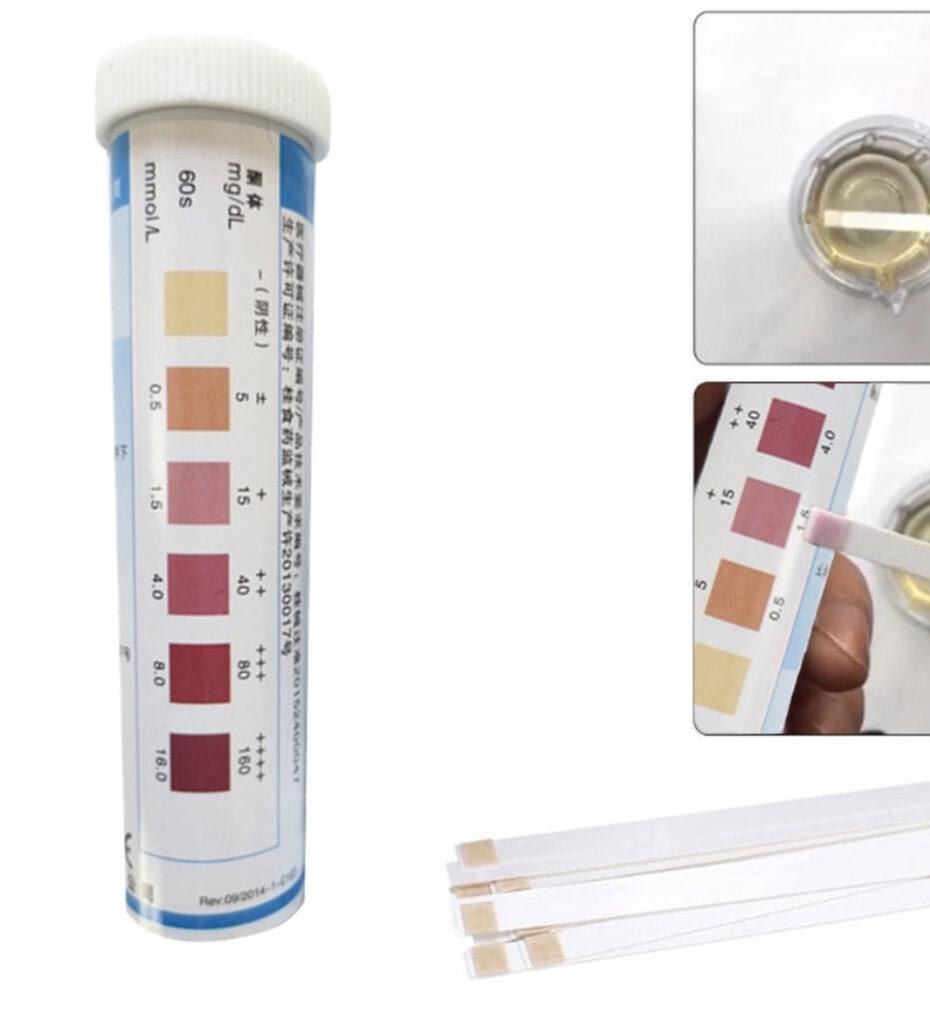
It’s true. I’ve never once, in the 13 years I’ve been raising dairy goats, ever had a case of pregnancy Ketosis. I’ve read a lot about it, know the signs, and supply my “vet box” with the needed diagnostic tools and treatment should I encounter it. So, when my mentee contacted me and described the signs her doe was exhibiting: off feed, tender feet and shifting back and forth a lot, showing signs of lethargy…My first thought was Ketosis. Since Ketosis and milk fever can be hard to tell apart, ketone strips are used to rule out Ketosis. I had her run to the pharmacy and purchase ketone strips and immediately had her test the goats urine. The strip was very obvious that she had high levels and the diagnosis of pregnancy toxemia was spot on.
We then decided on a rigorous treatment plan that would get her and her litter of kids as close to her due date as possible, as she was two weeks away from her due date (meaning her kids were too premature to be viable at that time). The only thing that “reverses” pregnancy toxemia is delivery, so our number one goal was to be aggressive with treatment. The closer we could get her to her kidding date, the better chance her kids had of being viable. We decided that if we could keep her from declining, and get her tested ketone levels back to a more respectable level, then we would let her go as long as possible and hopefully avoid inducing her too early.
My mentee was very observant of her goat, and due to early diagnosis and beginning early treatment, she was successful. She tested her goats urine with the ketone strips every 12 hrs, and sometimes every 6 hours in the early beginning treatment stage. While I am a big advocate of a BHB (the one made for cattle, not people) meter now (for accurate ketone and glucose levels), but the strips worked in a pinch. I’ve now invested in a BHB meter, because when you need it, you need it. If the meter is not in your budget, then the strips are certainly a must have!

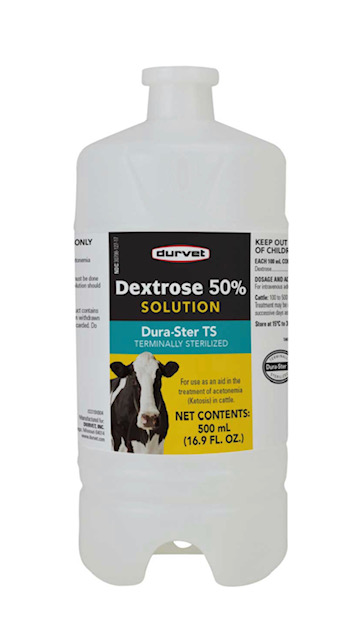
A treatment plan of administering 50% dextrose ORALLY was begun, and encouraging her to eat anything she would eat. By anything she would eat, I mean anything. At this point, calories are calories, so anything the goat wanted to eat was a win for us. She offered her snacks often of spring lettuce mix, almonds, oranges, apples, in addition to always offering her high quality forage and grain. In the early stages when the ketone levels were high, she administered 60cc of the dextrose orally every two hours until her levels dropped to trace. Then she backed off and gave 30cc three times a day to keep her levels to a trace.
This was all done for 2 weeks! it was intense, but we all were able to breathe a huge sigh of relief when the doe made it to 7 days before her due date (kids will easily live at this time) and were even more joyous that she made all the way to 4 days before her due date and went into labor during the day! I did go and assist. Her labor started off normal, but did not progress the way it should have, and all 4 kids needed assistance. All but the last one presented correctly, the last one needing to be pushed back to allow the third to be pulled as they were trying to come at the same time, and the last was also backwards.
Once the kids were delivered, the doe still needed treatment for two more days, at which time she gained her appetite back and was back to normal.
The goat and her FOUR kids are all healthy and flourishing as we speak. I just love happy endings!
I want to credit much of this info to Kelley Hines of Here Be Goats. She had posted her experience on social media, and also was a guest speaker on Ringside: An American Dairy Goat Podcast, speaking about her experience as a producer dealing with toxemia in her herd. Kelley also gave me permission to share her “Breeders Experience” PDF with all of you. Feel free to print it out for future reference!
One Response