
By Lacey Yates
I’ve learned many things since investing in my on-farm lab, which I talked about in my previous post. While I LOVE my machines (I have one for the goats and one for the cows) for machine milking, they are also a different beast when it comes to keeping them clean compared to simpler hand-milking pails. It takes extra steps to keep all the crevices, hoses, and claw parts not just VISUALLY clean, but microscopically clean! I’ve learned that my claws should be completely broken down (and given an acid soak) once a week to keep coliform numbers low or zero. I’ve also learned that the way I clean is important for keeping issues at bay. It is very important to use dairy-approved “chemicals” to ensure machines are properly cleaned, and the correct temperatures are cycled for the right amount of time. This may vary from farm to farm with hard water as a consideration, so monitoring bacteria and coliform counts with an on-farm lab is extremely helpful in finding what cleaning practices are, or are not, working for you.
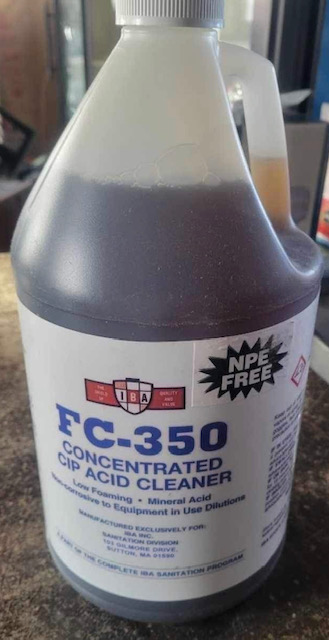
There’s been some chatter on pages I’ve been following that vinegar is acceptable to use in place of an acid. While I’ll admit I like to take a more holistic and natural stance on almost every aspect of my family’s lives, I do choose to go with dairy chemicals for cleaning the machines. Unfortunately, buildup and milk stone can be a really big problem if the right products aren’t used. Speaking from experience, “An ounce of prevention is worth a pound of cure” in this case. I have tried using the more natural routes of vinegar in place of an actual dairy acid, or even a natural dish soap in place of a stronger detergent like Dawn, but they just weren’t strong enough and caused major issues within my dairy production. One of the bigger and most time-consuming issues with not clean enough equipment I found has been contaminated cheese makes. If dairy chemicals are used and diluted properly and as stated, they are completely safe to use and can prevent the disappointment of contaminated cheese makes.
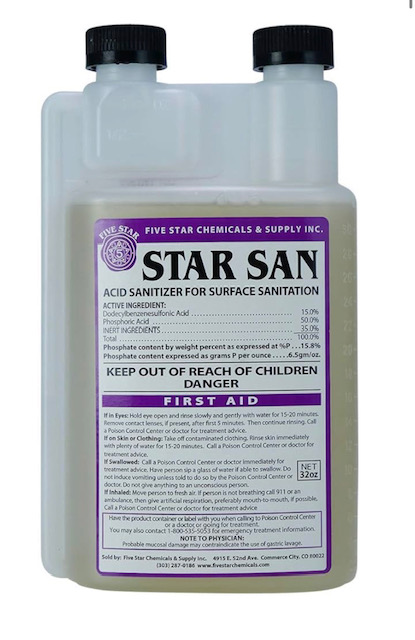
I thought I’d share my cleaning protocol below. While this works for my production and was approved by the Raw Milk Institute(RAWMI), you will need to assess and go through the testing steps to ensure this will also work for your setup! Part of going through the RAWMI process to be listed on their website was to have an SSOP in place (Standard Sanitary Operating Procedures). This is what I’m sharing with you below.
While we primarily machine milk, we do hand milk when production is lower. I do use the same techniques to clean my pails as I do the machines, but the weekly breakdown and acid soaks obviously don’t apply here. Buckets are simple. There are no connections, lips, or other areas for milk stone to build up on, so they are very easy to keep clean.
There are several different places to get different dairy chemicals as well. I’m lucky in that I have a friend who picks up all our teat dips, acid, and sanitizer from a dairy supply store and I just buy direct from her.
I’d also like to mention that properly cleaning the animal’s mammary is a must when looking at cleanliness. While I’ve posted about proper udder prep before, I’ll also repost below in case you missed it!
Udder Prep
- Wash teats and udder with warm, soapy, rung-out white rag. Put that dirty rag into the “dirty” towel bucket, use another clean, soapy rag to clean udder again. Repeat as needed until mammary system is clean. Dry with paper towel.
- Dip each teat with pre-dip. Let sit for 30 seconds. Wipe each teat off with clean paper towel.
- Strip out each teat by squirting 5-10 squirts of milk into strip cup. Screen milk for any abnormalities.
Post Milking: Post-dip each teat .
Milk Machine Cleaning
1. Fill 5 gallon bucket with 1 gallon lukewarm water, run through the lines.
2. Fill 5 gallon bucket with 3 gallons hot water and big squirt of dawn dish soap. Suck through lines. Take lid off bucket, remove gasket, clean underside and top of lid, along with gasket. Rinse. Replace gasket. Dump milk bucket, rinse out. Put machine back together
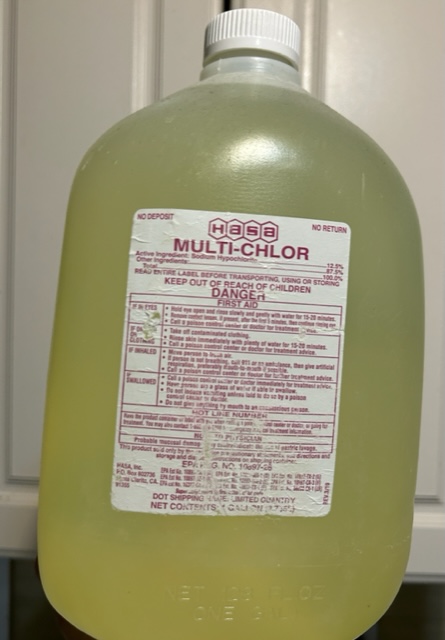
3. Fill bucket with 3 gallons of hot water and add one ounce of sanitizer. Run through lines. Dump bucket and hang upside down. Hang lines to dry.
Every other day after AM milking, perform an acid cycle BEFORE the sanitizing cycle. Fill bucket with 3 gallons of hot water, add 1 ounce of acid, run through lines. Move to sanitizing step.
Every Sunday break down machine and acid soak all components of claw with 3 gallons hot water and 1 ounce of acid for 1hr. After soak, move to sanitizing step.
Thank you. This was really helpful. I purchased a melasty machine in July this year, and have been following their protocol for cleaning their machines. I got the CIP cleaner, holy macro is, that is expensive! So I use it once a week and my sanitizer is Clorox. They never say to break down your claw and have it soak once a week. ..🧐I think I might have to start doing that. So the other days of the week I do a warm rinse, then a squirt of dish detergent in 4 gallons of hot water, ( probably switch to Dawn now because you recommended it and I have hard water very hard
) then I do 3 cups of vinegar in 4 gallons of water, the rep told me that was enough for an acid rinse
, then the Clorox or bleach rinse one cup in 4 gallons of water, and then final rinse with just plain water. Anyways, like I said, I was doing what they recommended and I’ve had no problems but I do not break down my claw once a week,they just said to hang it up each day and let it completely air out. I also make sure and wash the lid and the rubber gasket with each rinse of stuff. I’ve been back-and-forth about what to do and agree with you that, although I am very natural this is not something I wanna mess around with, or take a chance. The cheeses that I just started making in the last month have turned out fine.😏