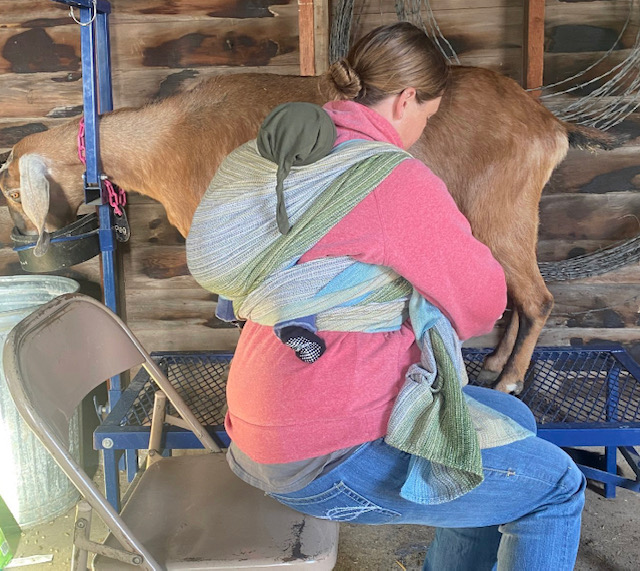
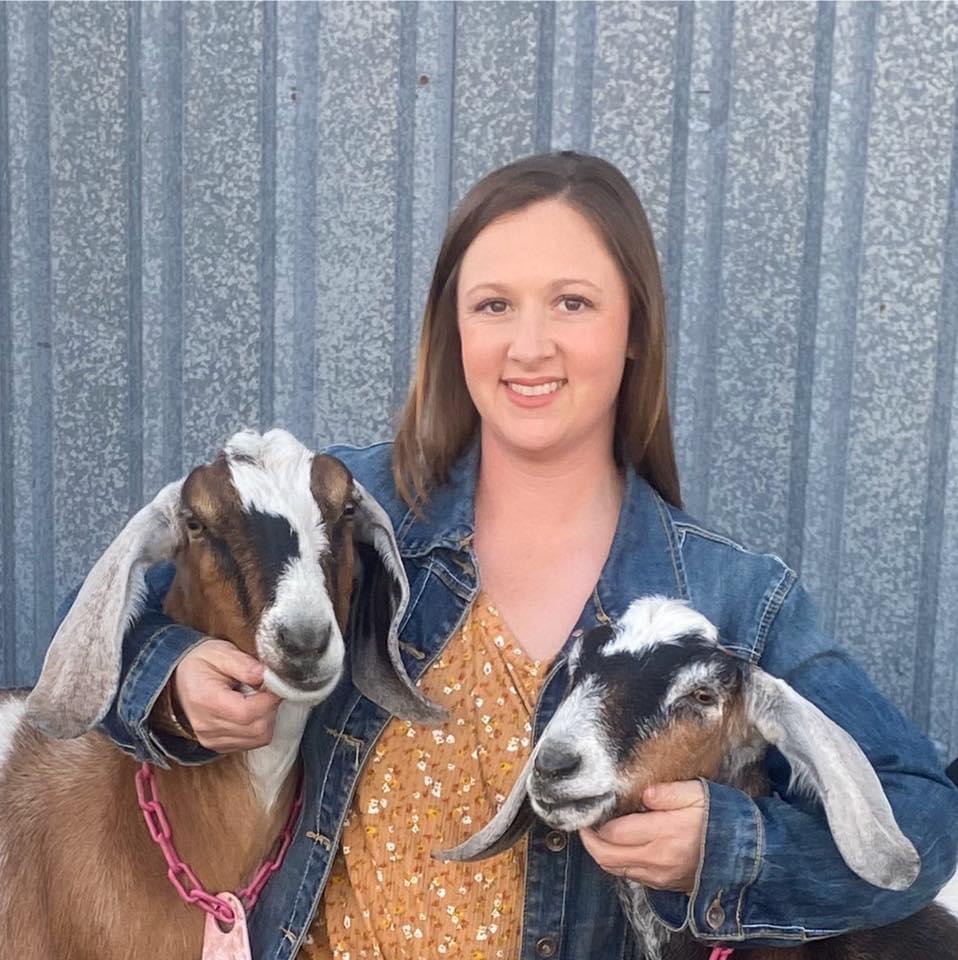
I am currently enjoying a cup of coffee before heading to the barn to milk my small herd of Nubian dairy goats. While I’m in the thick of milking season and making breeding plans for next season now, there is a very important process every dairy goat has to go through prior to kidding. Drying off.
Drying your dairy goat is important because she needs to have 60 days of rest time before she freshens, or kids. This allows her body to prepare life saving colostrum full of antibodies for her new offspring. It also allows her body to put more nutrients and work into growing kids versus making milk.
I want to take a second and note that there is generally more then one way to do things, including drying your doe. I prefer a more gentle approach, keeping in mind the does overall comfort and long term mammary health. I want my goats to continue working and producing plentiful milk for me for several years, so special care is given to insure this.
Kids have been weaned, I have a freezer full of milk, my doe is bred and the weather is turning cold. This is the time to begin the drying process. Most does will naturally decline in production at this time. However, dairy animals are bred to produce gobs of milk, and one can’t just turn off the proverbial hydrant. That would be cause for potential udder trauma and possible mastitis. These dairy animals need a little help and extra planning to insure an easy and successful transition.
My process is all about subtle decreases in production that the does can easily adjust to. Think supply and demand. If the udder stops being emptied regularly, the brain is signaled to stop producing, or slow down production, to meet the lesser demand.
At 90-100 days prior to the goats kiddings date, I start helping the doe dry off by dropping her down to once-a-day milkings for about 10 days or so. Then I drop to every other or every two day milking for 10 days. Then milk every 3-4 days the last 10 days. At the end of this, the doe should be ready for you to quit milking. Pay close attention to the comfort of your doe and how tight her udder is when she comes in for milking. If she’s extremely tight, she may need to be milked enough to relieve her.
While this gradual and gentle approach is easier on the doe with much less risk for mastitis and udder trauma, every doe is different. Heavy producers with a major will to milk, might require a longer adjustment period (so start earlier if your doe is this way, or maybe she’s already tight coming in to the milking parlour during your normal 12 hour, twice-a-day milkings).
The goal is to gradually decrease production. Rate and amount of grain being fed should also be reduced to match production. Sudden feed changes are never recommended and can cause problems of their own. I feed my does alfalfa 24/7/365, year round. Some people recommend switching to a lower quality forage to help dry does. I do not, and find my does are healthier on the high quality alfalfa year round.
The most common problem that is associated with drying off is mastitis. While I’ve never had a problem with my preferred gentle drying method, some animals can develop it, or can even be prone to getting mastitis while drying off. Be diligent about checking your does during this time. Warm/hot udders, redness, tenderness, clumpy or irregular milk, or just a doe that seems “off” should have their temperatures checked and veterinarian consulted. Being diligent with your animals health can really prevent a small problem from becoming a big problem.