
As homesteaders we have a lot things going on in our kitchen. The counters are filled with home grown food bubbling, fermenting, baking and drying. A beautiful working kitchen is something to be admired!
A really common question I am asked when it comes to cheesemaking however, is what about cross contamination?! Most cheesemaking books and resources caution against keeping other bacterial and yeast fermentation’s in the same area that you make cheese. The fact that milk is the perfect host for bacteria and yeast, makes cross contamination even more troublesome.
I have had my fair share of cross contamination mishaps in my cheesemaking kitchen. The biggest culprit…. Yeast.
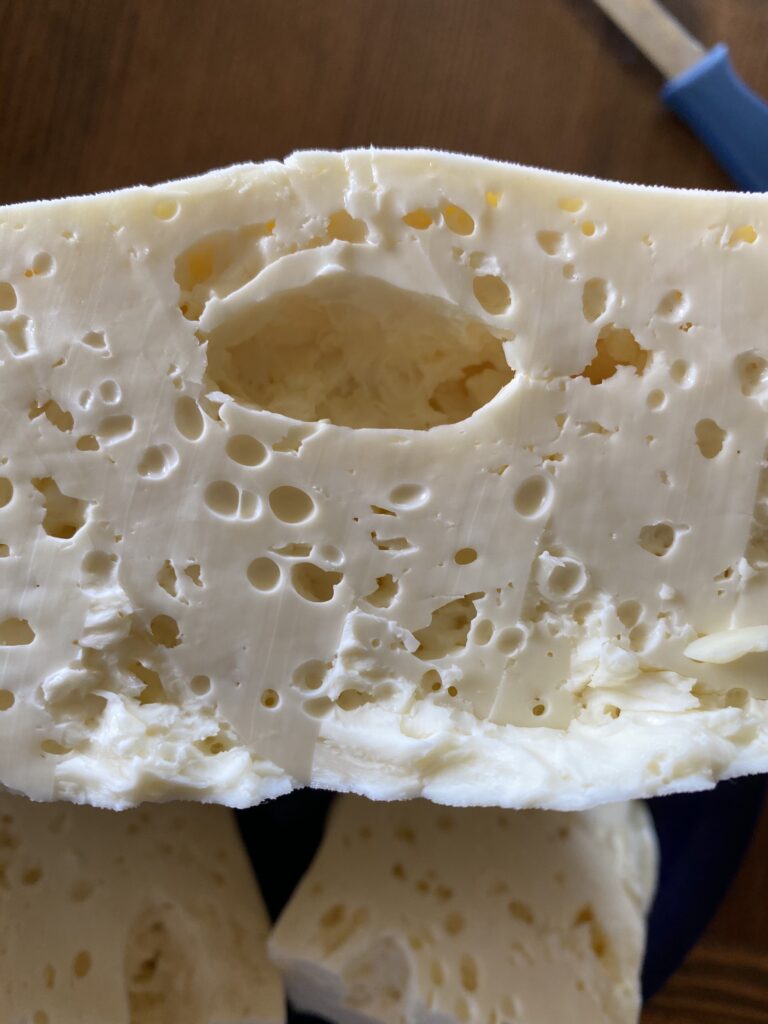
Yeast loves milk! Warm, full of sugar; its the perfect environment for yeast to thrive! But we don’t want it to thrive! Not in our cheese anyway!
When you are sure that a cheese is yeast contaminated it is not dangerous to consume, but they don’t taste that good and they especially don’t age well.
If you are wanting to know more about yeast contamination verses other contamination check out this blog post from last month on contamination.
This month however, I want to talk more in-depth about how to take steps to minimize the risk of your cheeses becoming contaminated by yeast. And No, this does not mean you have to give up baking bread, you just have to change up your system slightly! The first step with a bad yeast contamination run, is troubleshooting! Start at the beginning and troubleshoot your way through this list!
Troubleshooting List
The most important thing to remember when troubleshooting contamination is “its not about eliminating contamination, it is about reducing contamination load!”
If your milk has some yeast in it, that’s fine, as long as that yeast does not have a chance to thrive and as long as it isn’t a ton of it!
The Milk
Raw milk naturally is home to a host of different bacterias and yeasts. I loved in this summers cheesemaking class with David Asher, how he spoke about the relationship between raw milk and the ecology that it naturally houses. Raw milk comes from the udder meant to feed that young baby, but it also comes out of the udder prepared to feed itself. The bacterias and yeasts that are naturally present in the raw milk are able to survive and thrive because they feed on the milk as well!
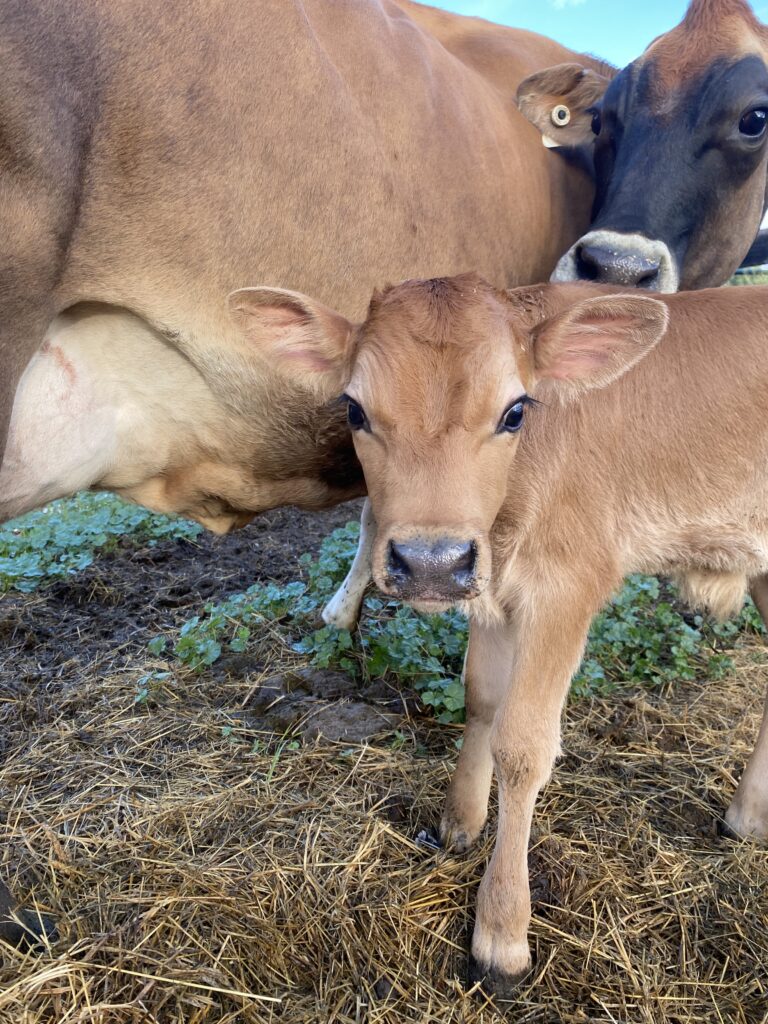
When your milk comes out of the udder it already has some yeast in it. Its just about whether or not that yeast is offered the chance to start feeding on the milk and multiplying!
This is why excellent milk handling practices are key. The quicker you are able to get your milk into the house and have it cleaned, refrigerated or in the cheese pot, directly influences what bacterias and yeasts are going to be able to take off in the milk.
When troubleshooting whether or not your contamination is coming from the milk, ask yourself these questions;
- Is my dairy animal healthy?
- Does my dairy animal have mastitis?
- Am I using clean milking technique?
The Environment
- Take a toothbrush to all rivets and seals.
- Sterilize all equipment.
- Use a milk stone remover for milking machine
- Place plastic wrap between jar lids and milk
- How quickly am I getting milk from the barn into the house?
The Kitchen
- Place other ferments like sourdough starters on the other side of the kitchen.
- Bake bread on a different day than cheesemaking
- If your kitchen smells, don’t make cheese. That means anything from a pleasant freshly baked bread smell to a mold smell. Take care of the source and than make cheese once the source and the smell is gone.
- If you use absorbent or difficult to clean materials for baking bread, example wooden spoons, plastic measuring cups, don’t use them for your cheese. I like to use glass mason jars for measuring anything to do with cheese as they are easy to sterilize in the dishwasher.
- Your water matters, remember that chlorinated water should never be used for cheesemaking, as well if you are on well water, be especially diligent when making washed rind cheeses. If you are having a bad run of contamination, consider boiling your water before adding it into washed rind cheeses.
- Change all linen in the kitchen before making cheese. I don’t make cheese in a sterile environment, but I do change all of my linen in the kitchen before making cheese. It is very easy to accidentally wipe your hands on a contaminated towel before putting that hand in the cheese pot.
- If you have pin pointed contamination to your kitchen, or you feel that it is a probable cause, culture your milk as soon as it goes into the cheese pot. This means add your culture in before you even heat your milk. This will allow your culture a chance to start working earlier and will up your bacterias chances of taking the majority vote in that milk.
- Sources of cross contamination can be other ferments such as sourdough and kombucha, but they can also be environmental, an open window, seed starts, wood brought in for the wood stove. Remember the golden rule of, if your kitchen smells, don’t make cheese!
The Starter Culture
- A strong starter culture means a strong cheese. Remember the cheese, at least for a little while anyway, becomes the starter culture. If you have a well taken care of clabber culture, you use that to culture your cheese and you do nothing else to that milk until it thickens, that milk is essentially clabber. If you have a yeasty clabber culture that has overferemnted, your milk will become its mother.
- If you are using freeze dried cultures, what is the expiration date and has it been stored properly in the freezer. Freeze dried cultures will expire and if they are not stored properly their bacterias activity will diminish. An interesting tid bit that I learned at the cheesemaking weekend with David Asher was that the reason that a lot of cheese recipes have the hour wait time between adding the culture and adding the rennet, is to actually make sure that the culture is working. The commercial cheesemaker will test the ph of the milk after that hour to make sure that the acidity is indeed falling. If it is not, that means that the culture was a dud, or has been attacked by a virus (something that is common in commercial cheesemaking) and instead of ruining the whole batch of cheese, the cheesemaker has an opportunity to restart. If you are wondering if your culture is a dud, especially if you are having a bad contamination run, try testing your milk with a ph strip or making a naturally acidified mozzarella, if you can’t get it into the stretching window, you know you have something going on with your culture.
- Are you using kefir as a starter culture? I have very little experience when it comes to natural cultures, but im learning! One huge difference I have noticed between kefir and clabber, is that kefir almost always has a yeasty taste. If you have been starting all of your cheeses with kefir, try switching to clabber for a natural alternative. This is just an observation I have made by keeping both cultures going the last few months. I could be wrong, but if you feel like you are at a dead end road, give it a try!
The Cheesemaking Process
- Things like heating your pot too high, thus killing or weakening the culture.
- Yeast contamination can come from salt brines. Be sure if you are having a bad yeast run, to boil your salt brine or start a fresh one. Keep your saturated (20%) salt brines healthy by replenishing them after every use, and using water rather than whey.
Conclusion
These are just a few of the troubleshooting spots to check. Everyones homes are different and contaminants will vary. The most important thing to remember,
- Healthy milk = Healthy cheese
- It’s almost impossible to eliminate contamination, its about limiting it!
- Healthy starter culture = Less room for contamination