
by Lacey Yates
Here at Raising Arrows Nubians I raise Nubians for milk and show. A large part of my supplemental, goat supporting income comes from selling raw goat milk. Where I live, Nebraska, on farm sales of raw milk is legal. The most common comment I hear from my customers is, “Wow, this milk is so good!” or “This doesn’t taste goaty at all!”
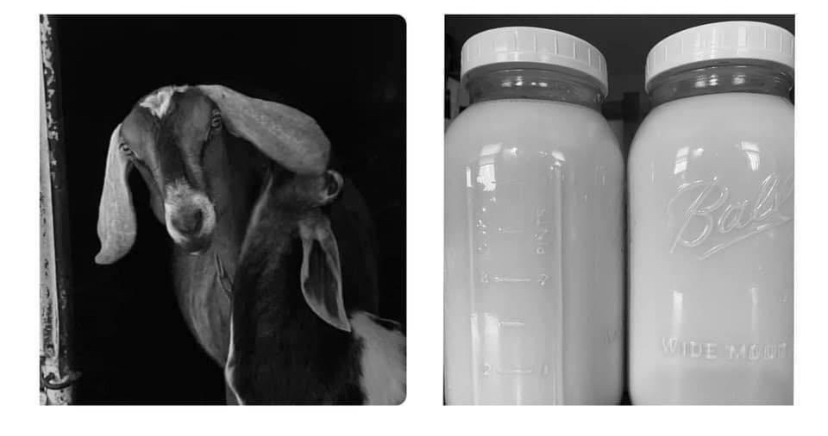
While I can now offer consistently great tasting milk, this wasn’t true when I purchased my first goat 11 years ago! So, read on, learn from my mistakes and everything I wished I would have known from the beginning! By the end of this Two Part Series, you will have ideas, tips, and tricks to help you turn your goat milk from “goaty” to “delicious”!
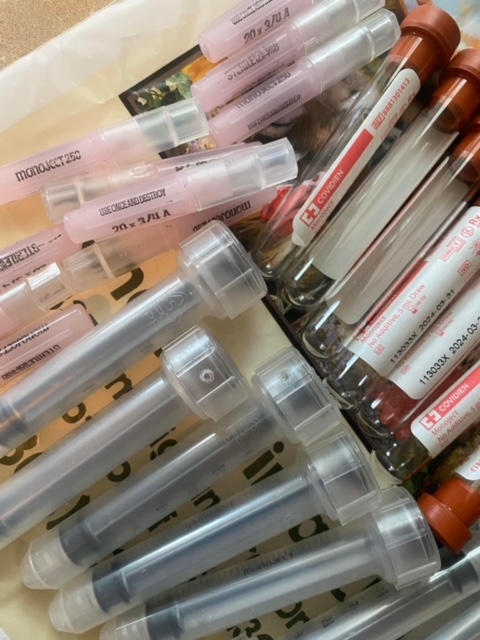
I think the first step to great tasting goat milk begins with the overall health of the animal. She must be HEALTHY, in good condition, and have a low/normal parasite load. This means ensuring your doe is tested disease free (you will be consuming the milk, so disease free is non-negotiable). She should also have a fecal run by a lab or vet to determine if she has a parasite problem.
I’m not one to throw chemical dewormers around, and actually have worked really hard to have a naturally parasite resistant herd. Dewormer resistance is a problem that goat producers are dealing with and is becoming more and more widespread due to misuse and overuse. However, if an animal is loaded with parasites, not only is her health at risk, but she can’t be expected to be a productive animal, let alone produce good tasting milk. So, if parasites are an issue, work closely with your vet and get them under control.
Now to move on to what I consider a very high contributing factor to off tasting milk: What your doe is consuming on a daily basis. Browse/hay, loose minerals/block minerals, pelleted grain/textured grain…everything that goes into your doe has a major impact on the flavor of her milk.
Let’s discuss minerals. I’m a huge loose mineral advocate. Block minerals cannot be consumed in large enough quantities to be beneficial to the animal. This also includes tub minerals (those, in my opinion, are worse because of the added high molasses content they tend to have. Too much molasses will disrupt the pH of a goat’s rumen, making milk have an off flavor) A HIGH QUALITY loose mineral designed specifically for goats is needed.
Stay away from minerals that are formulated for BOTH sheep and goats. These products won’t have the added copper goats require as copper is toxic to sheep. Also, offering baking soda (sodium bicarbonate) may also be beneficial too. A goat will go to it if needed, and sodium bicarbonate will balance out the pH of the rumen and even prevent bloat in an emergency.
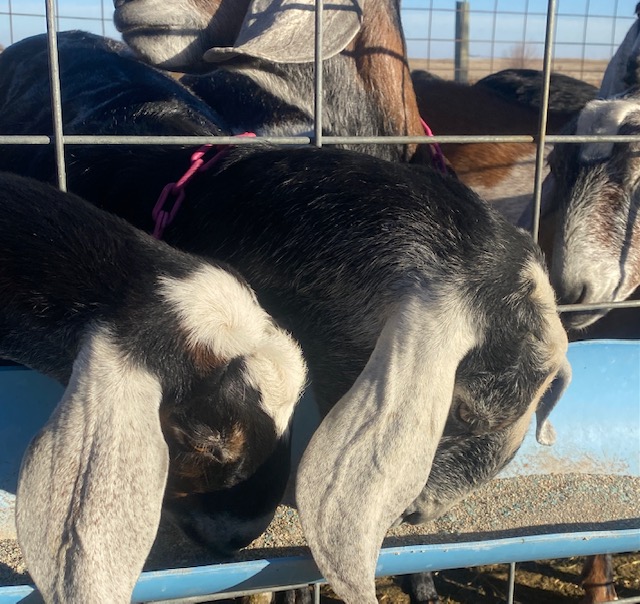
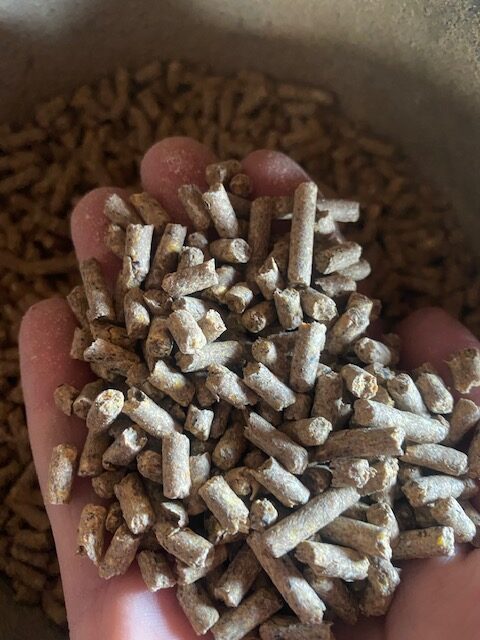
Now that we have a high quality loose mineral available at all times, let’s take a look at what type of concentrate (or grain) we are offering our does. Does in milk have a higher energy need and greatly benefit from the additional nutrients offered. Just like minerals, feed a “goat specific” concentrate to ensure that it’s balanced and will meet a goat’s nutritional requirements.
There are two basic forms concentrates are available in: textured or pelleted. I prefer a pelleted feed for a couple different reasons. Goats can be extremely picky, and a textured feed allows them the opportunity to pick out their favorite pieces. Textured feeds are also molasses based. Pelleted feeds are consistent and have less amounts of molasses. Pelleted feeds help insure the animal has a consistent intake that doesn’t contain a ton of molasses (as mentioned before, higher quantities of molasses disrupt rumen pH causing off flavored milk)N.
If you are feeding a textured feed and want to switch to pellets, make any feed transitions slowly. It’s also worth exploring what you are top dressing (if anything) feeds with. I hear many people top dressing with BOSS (black oil sunflower seeds), calf manna (too much protein, I don’t recommend this), beet shreds, or other add ons. Some fats are needed, while an excess of fats will also cause a rumen imbalance. I would urge you to contact a dairy goat nutritionist and have them help you balance out a ration and feed plan best suited for your herd and herd goals.
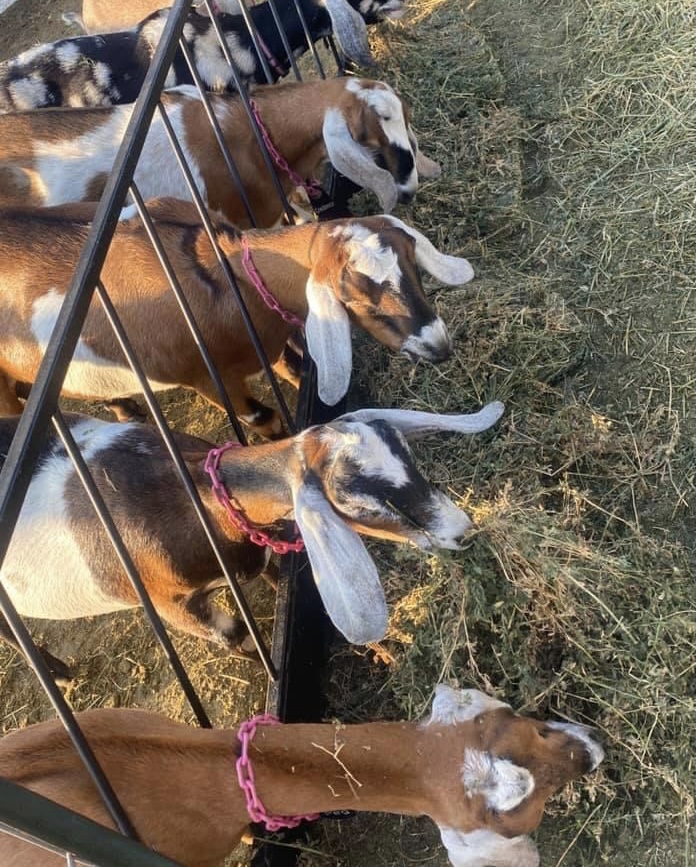
I saved the most important and taste contributing topic for last: roughages. These include hay, browse, or both. Your goats diet should be centered around a high quality roughage. While I like the idea of browse, it does not work for the goats here at Raising Arrows. I feed a high quality alfalfa hay 24/7/365, year round to kids, does in milk, dry does, and bucks. Unfortunately, when goats are on browse, or pasture, they can and will eat whatever they want. This means they are eating plants that will contribute to off flavor milk. Goats aren’t grazers. They don’t just eat lush grass, but rather seek out weeds, shrubs, and tree leaves. They weren’t designed to graze like cattle.
Because consistency is key to consistently good flavored milk, CONTROLLING everything your animal eats is crucial. I choose a high quality alfalfa because its is the most readily available here, cost affective, best nutrition, and suits my herds needs (show and milk).
When talking about trouble shooting off flavored milk, the quickest way to change flavor is to change what their diet is highest, or consuming most, of. Forage. While I acknowledge there are benefits to allowing does to forage, I can attest to the fact that they will consume weeds, shrubs, and other plants that will drastically affect milk flavor. I will say, I have fed all of my goats alfalfa for the last 10 of the 11 years I’ve owned dairy goats, and have only experienced healthy and productive animals.
To conclude this post, I do want to add that I’ve been frustrated with off flavored milk as a beginner goat owner. It took me several years and lots of trial and error to figure out what works and what doesn’t work. Consistently monitoring and controlling what your animal consumes, hygiene, and good milk handling procedures will provide a consistently good flavored milk.
Please tune in next month for PART 2 of Trouble Shooting Off Flavored Goat Milk where we dig into milk handling, cleanliness, and storage tips!
One Response