
Recently my friend Christine, who you all know keeps our Facebook page organized, mentioned at one of our zoom meetings how she has noticed leaving the lid loose, or covering the top with a loose cloth, has really helped enhance the flavour of her clabber.
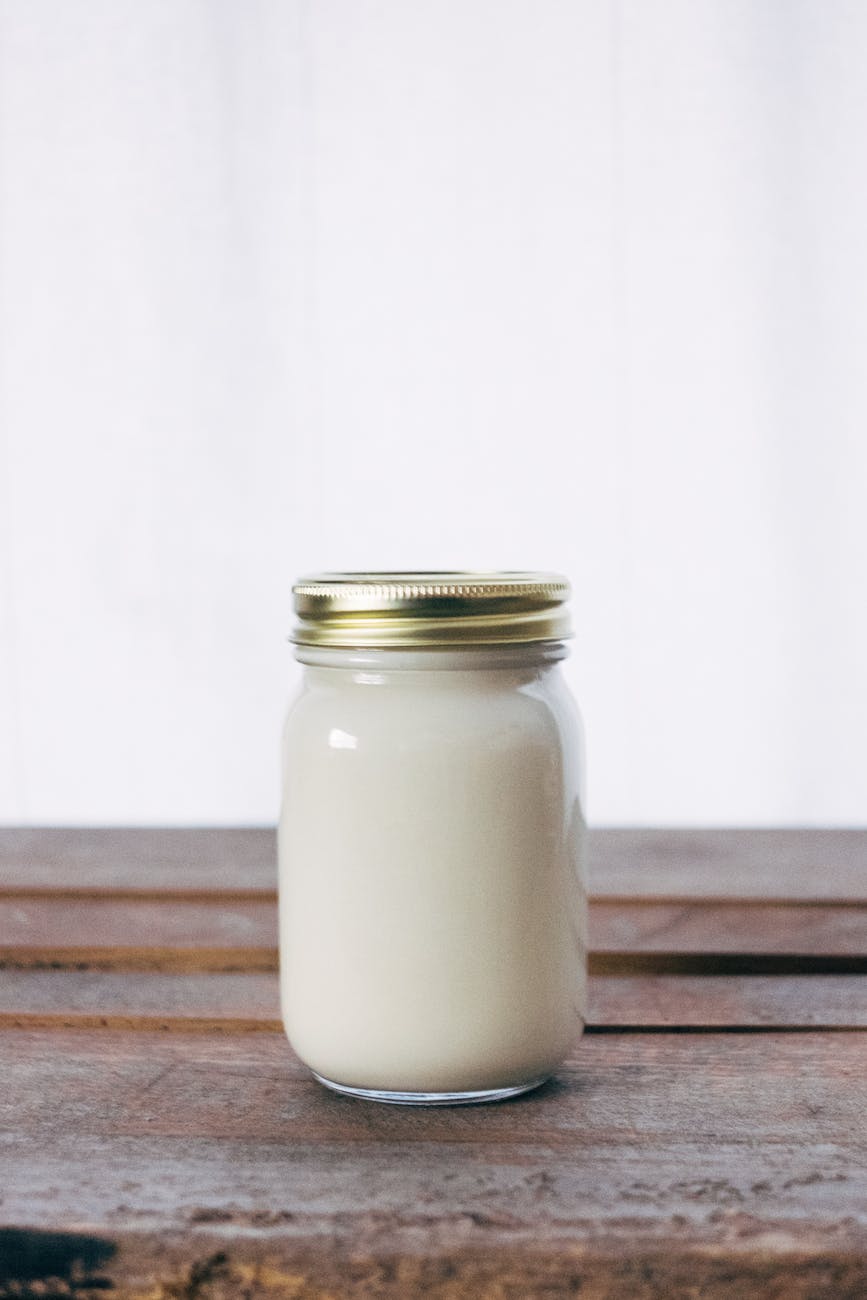
As we all embark on a journey of learning, I love hearing observations like this. Clabber is virtually as new to me, as it is to you. We are all learning together and as the dedicated cheese nurd in the group, I am happy to research the science behind these things. So todays topic in my hunt for information around Sour milk, is why does fermented milk taste better when the lid is left loose?
Why does fermented milk taste better when the lid is loose?
Let’s look at kefir for a moment. I don’t particularly like the taste of kefir. I find its fizzy bubbly flavour strong and yeasty. Left with a lid on, kefir will bubble and fizz quickly. You can even do a second ferment with kefir, like you do with kombucha to encourage this fizziness.
To do a second ferment of your kefir all you have to do is ferment it with a loose lid to get the yeasts and bacterias working and then add extra sugar, usually in the form of fruits, tighten a lid on and let it get really fizzy.
This fizziness occurs because the gasses created by the fermenting organisms, particularly yeasts, can not escape. It is the original soda stream! The same effects happen with any yeast based fermented product. Beer, Wine ect.
Clabber, on the other hand, can usually handle a tight lid without this fizziness occurring. Scientifically this has a lot to do with the yeasts present in active kefir grains verses clabber. Clabber contains yeast as well, but its fermentation style leans more towards lacto bacterial fermentation. Meaning instead of relying heavily on yeasts, clabber relies more on bacteria for its initial fermentation.
Not all lactic bacterias create gasses during fermentation, but some do! Propionic acid style bacterias, that you may be familiar with from Swiss cheese, create CO2 gas during fermentation. However, the process of bacterial gas formation is typically a lot slower than yeast gas fermentation. With a well cared for Clabber, the lactic bacteria takes precedence over the yeast and you won’t see yeast bubble formation until your clabber culture goes over the top of the bell curve.
Just because you can’t see it though, doesn’t mean it’s not there and that it hasn’t started the process of creating trapped gases, that will contribute to off tastes.
While researching traditional vessels that sour milk has been made in over the years, I came across some information regarding a Mexican style cheese called Jocoque. This took me down a rabbit hole of information and I learned a whole lot more than just the vessels that this Jocoque was traditionally made in, but also about how it was preserved for long term storage.
Jocoque
Translated, Jocoque means sour milk; The Mexican version of Clabber is Jocoque. Traditionally it was made by leaving raw milk in a clay pot beside the fire. According to several sources, these clay pots were very important in the making of the Jocoque and the flavour that Jocoque has.
Why Would The Clay Make A Difference?
I use clay pots in my cheesemaking. I love clay as a cheesemaking form, because not only is it beautiful but it allows the curds to stay warm which facilitates drainage, and allows for even acidification. This means that when you place that milk beside the fire in a clay pot as well as a glass jar, the clay pot product will probably taste better. When lactic bacteria ferments milk it is more active in areas of ideal conditions. Ie. warmer areas. If the entire pot has even warmth, the milk ferments evenly. Instead of waiting long time frames for the jar to thicken, the entire jar will thicken at a even rate, preventing over acidification in pockets and creating strong tastes.
Another benefit that I see, that ties really nicely into Christines observations above, are that in a clay pot, due to its porous nature, the cheese would be able to breathe and any gas formation that came about, would be able to escape.
Finally, by never washing the jocoque pot, the bacterias from each previous batch would be preserved and thickening would happen not only quicker, but also stronger and better tasting after each time.
It appears that jocoque is now sold commercially in Mexico and other speciallty food stores. I found this recipe listed in the New York Times for a jocoque dip.
My challenge for you this month is for you to start using a clay pot to store your clabber. Try using a small crock with a loose lid or a clay pot with a piece of fabric or coffee filter overtop. I would be interested to hear if you notice any flavour differences between storing it in a regular jar, verses a clay crock.
FUN FACT- To preserve jocoque for long term storage it would be lay out in balls to dry. Once dry it would be marinated in olive oil. Hashtag, When will my cow be back in milk again!
References
https://www.mextizopnw.com/blog/2019/1/6/jocoque
https://www.latimes.com/recipe/jocoque-dip