
By Lacey Yates
The one thing that is a standard with dairy animals is, they have to freshen. That means they have to kid or calve to begin lactating. So what will you do with those extra animals? Some might end up being DOES you can retain for your milking program. Some might end up in your freezer as extra protein for your family. Some might just be the ticket to help offset your overall costs by selling them and generating a little extra income. Let’s talk about what it takes to be a good goat seller.
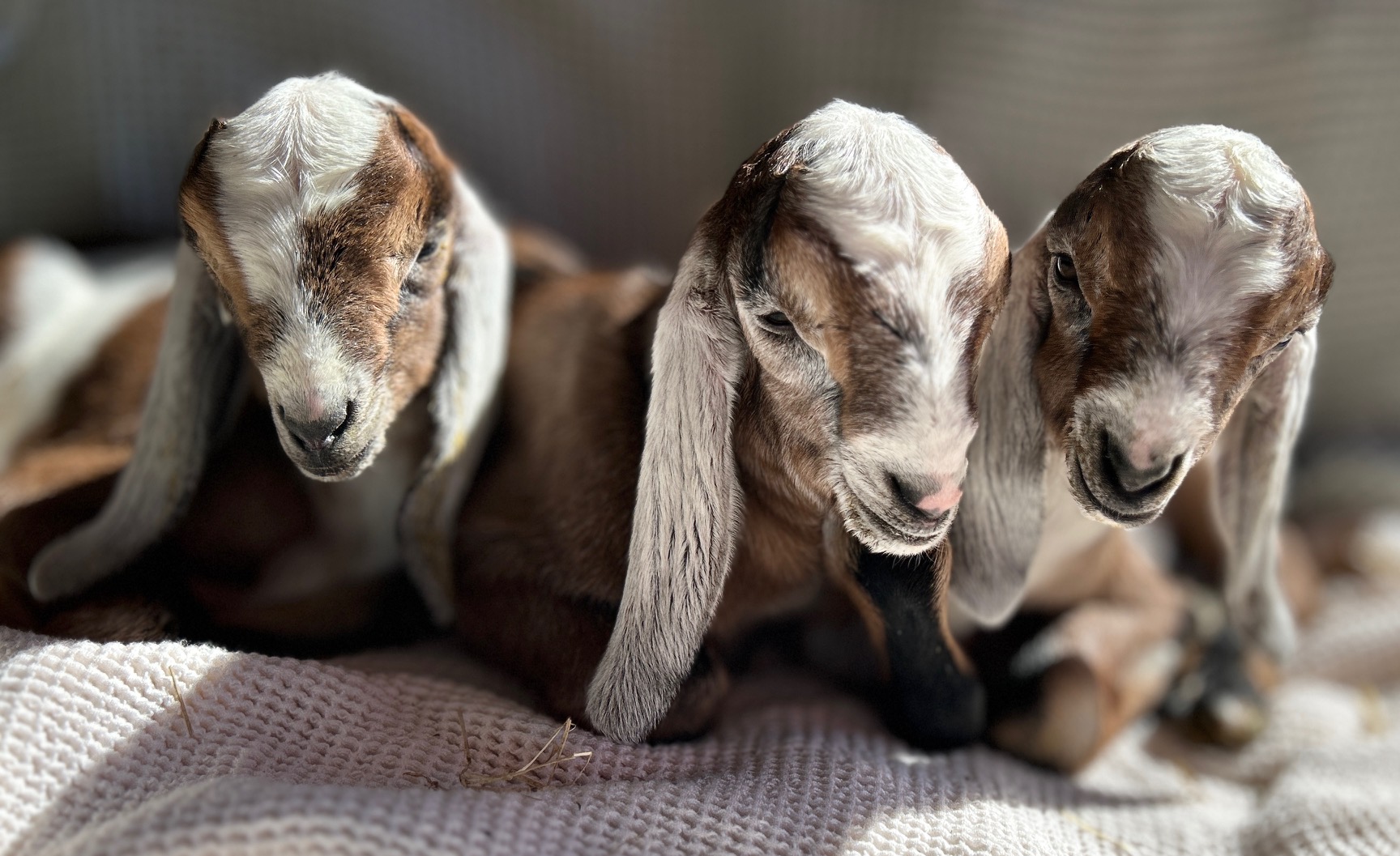
Being in the dairy goat industry for 13 years, I’ve grown quite a bit from the first goat I got so many years ago. With growth comes lots of kids every year. Does can have multiples at birth, mine generally range from twins to quads. Clearly I can’t keep each one born! I keep a small and well managed herd, so that means that I have to sell most kids each season, and also some mature milkers to make room for the up and coming kids. The way I sell and how I sell has also changed over the years.
Bucklings
I would say 99%-100% of the bucklings born on your property SHOULD BE BANDED at about 6-8 weeks of age (so they aren’t able to breed). Here’s my reasoning behind that bold statement. The dairy goat market is FLOODED with bucklings. You need to ask yourself if you, as a breeder and seller, can knowingly sell that buck as one that will genetically go on to benefit the industry? Will he be a positive influence? Would you want him to breed goats in your herd? Is his dam one that you would want an entire herd of? Do his dam and sires dam excel in conformation and production? If you aren’t answering yes to every question, then they absolutely need to not be sold as a breeding animal. Only the best should be sold for breeding. Remember that this buck could have the potential to breed and have TONS OF FUTURE PROGENY on the ground. He could end up having a big impact, so you want to make sure it’s a positive impact! There is still value to non-breeding animals. He can be sold to a pet home, as a companion or pack animal prospect, or he can be fed for 4-6 months and sold to fill someones freezer with valuable protein. There is something special about raising a butcher animal with respect, kindness, and dignity.
Doelings
Now let’s talk a little about the doeling side of things. Doelings will have a bit more of a market and value because they will have the ability to produce milk as well as meat. Her progeny have the option to improve each season by using bucks to “fix” her weaknesses. Again, if you are selling an animal as a milking prospect, you should be confident that you are selling something that will live a long and productive life. This means she should at a minimum have good feet and legs, her dam and sires dam should have a nice mammary system, and she should be overall correct.
So you have read the last two paragraphs and are completely confident that you have a really nice animal that will benefit someone else. Let’s get into being a good seller. I want you to always remember that the dairy goat world is a small world. People remember, and people talk. So, let’s make sure they are remembering and talking about POSITIVE things. Let’s get you started on the right foot!
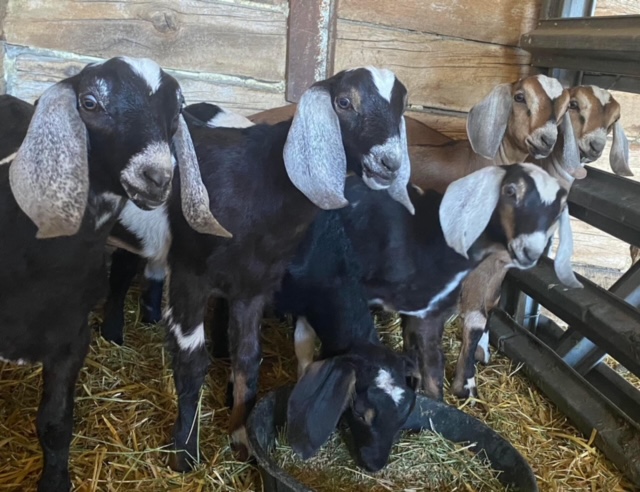
How to Be a Good Seller
First things first, selling healthy animals from a healthy herd should always be a top priority. You should be annually disease testing to know the CAE, CL, and Johnes status of your herd. You will also need to be raising healthy, well fed, and well managed kids. This will look different from herd to herd, but basic health (and making sure your coccidia management is top notch) and having your kids on a really good feeding program (not just milk, but they need to have top quality hay, grains and minerals to grow well) will have them excelling in the growth and health department. Healthy, growthy kids means happy buyers!
Buyers DO NOT WANT YOUR PROBLEM ANIMALS. Put yourself in the buyers shoes. If you wouldn’t buy it, neither should they. Your name will be attached to that animal, so your job is to be as open and honest as you possibly can be. Always. Period. There is always a solution to selling someone else a problem or headache: Freezer Camp. An animal will always have value in the form of protein.
Being a good seller means being patient, responsive, and have really good communication skills. Buyers will want to see pictures, so gather them as you go! I keep a really big file of goat pictures. Each animal of mine has side profile pictures, as well as close ups of their mammary system (viewed from the rear and side), with new pictures being updated and added each year. Be patient and answer all questions promptly. While some may seem excessive, remember that this is a big purchase and decision for the buyer. Your job as the seller is to make sure your animal is the BEST fit for the buyer. They need to be happy and confident with their purchase. Remember, your animal will not be for every buyer. It’s not your job to have a sales pitch and talk a buyer into buying on impulse.
Finally, being a good seller also means doing your homework. It takes very little time to ensure that your animal will be going to a good home. Your animal will require basic shelter from the elements, good feed to grow well and be productive, and a buddy to be happy (because goats are herd animals, they should always have at least a companion friend). As the seller, you also want to see the eventual success of your animal. So be responsible and make sure they do go to good homes. Unfortunately, there are worse things than freezer camp.
Being a responsible and good goat seller takes a lot of hard work, management, education, and a bit of sleuth work. Always have the best interests of not only the animal, but also your buyer, in mind. Be honest. Be known for being reputable. Be known for selling nice and healthy animals. Be known for the GOOD. Be a good goat seller.