
By Lacey Yates
This is the time of year everything slows down for me at Raising Arrows. It’s true I milk year round, but this is my slow season. All the milking does are bred, some are dry for the season as they are on the last leg of their pregnancy and are now working hard gestating babies. Some are later bred and still milking, but are naturally producing less. The slower season provides time for routine disease testing to be performed. While this is the optimal time for me to do disease testing, if I didn’t ultrasound my does to confirm pregnancy, I would “bundle” blood pregnancy and disease testing earlier in the season as it can be done with the same blood draw.
There is a panel of diseases you can choose from. Not all are really necessary to perform annually, and you may only choose to test new animals before bringing them onto your property. Biosecurity should be on your radar, and something you must always keep in mind if your goats are in contact with others outside your herd. I participate in ADGA sanctioned shows throughout the year. I try my hardest to limit contact with other goats at these shows, but in reality, there is a possibility my does will be exposed. While my goats always have tested negative, it’s something I’m aware of, treat with respect, and manage diligently. I do participate in annual CAE, CL, and Johnes testing which is all conveniently ran with the same 2 ml blood draw, transferred immediately to a red top blood collection tube, which is then sent to a lab. Even more convenient is the addition to have a preg check done with the same blood draw.
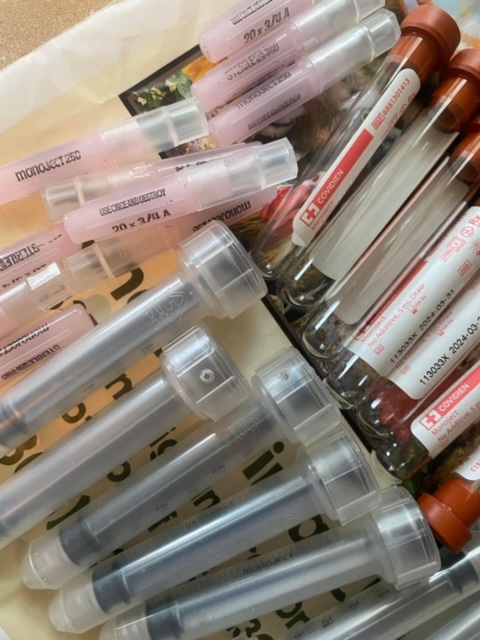
My policy on any animal I purchase must be from a regularly disease tested free herd. I do not bring many outside animals in, but for genetic diversity and improvement purposes, a new buck or doe is sometimes needed. I will also ask the breeder to draw blood and send off CAE, CL, and Johnes on the specific animal before the sale is complete, and I will cover the cost. It’s an added peace of mind that is very inexpensive, and good reputable breeders are happy to do this for you. My continued policy is to perform routine disease testing once a year on the entire herd, preferably in January. I do all my own blood draws and send my own samples to an accredited lab.
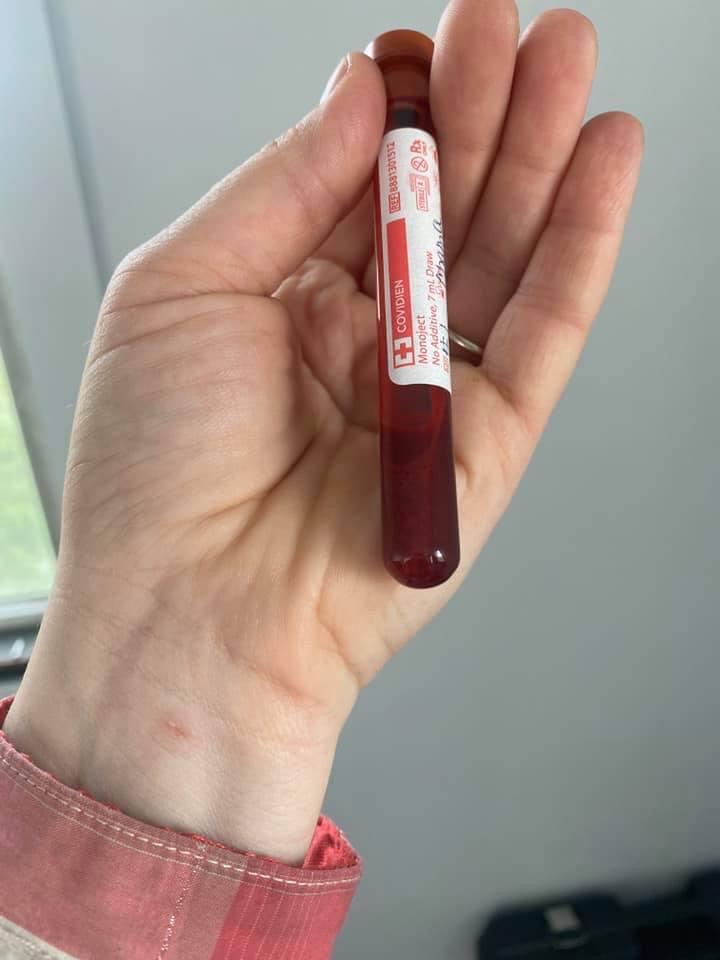
Since I’m a Nubian breeder, there is one other blood test I require my animals to have, and it’s only performed one time per animal. G6-Sulfatase deficiency (commonly known as G6S) is an inherited autosomal recessive metabolic defect that occurs in Nubian goats and related crosses. Affected goats exhibit delayed motor development, growth rate retardation, and early death. Since G6S is genetic, all my animals are tested normal, and I will not purchase carriers as they may transmit this G6S variant to 50% of their offspring. Matings between two carriers are predicted to produce 25% G6S-affected kids.
Diseases to Test
Caprine Arthritis Encephalitis
CAE (Caprine Arthritis Encephalitis) is a small ruminant lentivirus that can cause chronic disease in multiple organ systems. There is no treatment, and goats will not recover once they develop clinical signs. The most common way CAE is transmitted is via colostrum and milk. While some producers have a tolerance for CAE positive animals, and can manage them accordingly (this involves pulling kids at birth so they do not consume the affected animals colostrum or milk, and pasteurizing the positive animals colostrum and future milk), I personally choose to have a zero tolerance policy and maintain a CAE free herd.
Caseous Lymphadenitis
CL (Caseous Lymphadenitis) is a bacterial infection that causes external (most common in goats) or internal (most common in sheep) recurring abscesses. It’s spread from animal to animal from contact with the infected pus of a ruptured abscess. The infecting organism can also survive several months in the soil and surfaces, which can also lead to animal infection. There are two testing options. Routine herd screening is done with serum (blood draw), or a bacteria culture (if an abscess is presented, a sample of the pus is sent to the lab).
Johnes
Johnes (propounded “yo-knees”) is a wasting disease that’s contagious, chronic, and usually fatal that affects primarily the small intestine of ruminants. All ruminants are susceptible to this disease. It’s caused by Mycobacterium avium subspecies paratuberculosis, a bacteria related to the agents of leprosy and tuberculosis. Signs are weight loss and diarrhea presenting with a normal appetite. Transmitting occurs through feces, through milk from infected animals, and in utero via an infected mother.
My Encouragement to You
While there are some other diseases you can test for if there is a need, I encourage you to work with your vet to help choose which you perform annually. Labs like WADDL, UBRL, and UC Davis are accredited, trusted, and are also great to work with. Bottom line, do not wait until you suspect a problem or have issues. Be diligent and have PREVENTION in mind at all times. Routine biosecurity screening keeps your herd healthy and diseases out.