
by Lacey Yates
When most people think of fall, they think of pumpkin spice flavoured coffee, baked apple pies, and mulled cider, right? For the typical dairy goat owner, we associate fall with blubbering bucks and their strong musky smell that sends does into a tail wagging, fence-pacing mess. Ahhh, breeding season is here. I love this time of year, and the exciting potential it brings!
Most dairy goats are seasonal breeders. This means that they exhibit heat, or periods of estrus, during certain times of the year, typically September thru February, depending on climate and other factors. My does will generally experience their first heat in later September. I prefer to wrap up breeding season as soon as possible because I don’t like late kiddings (anything kidding past April is considered late for me). So my last breeding month is November.
I have several does and a few bucks I work with. I do not herd breed (just putting one or more bucks in a pen of does), but will hand breed instead. This means I will pull each doe when they come into standing heat and pair her with a specific buck. Hand breeding allows me to not only choose the best buck for her (one that will strengthen her weaknesses and is aligned with my herd specific goals), but also aids in preparing for kidding season by knowing a due date. I attend every birth and knowing an approximate due date helps me prepare kidding pens and plan accordingly if bad weather is in the forecast.
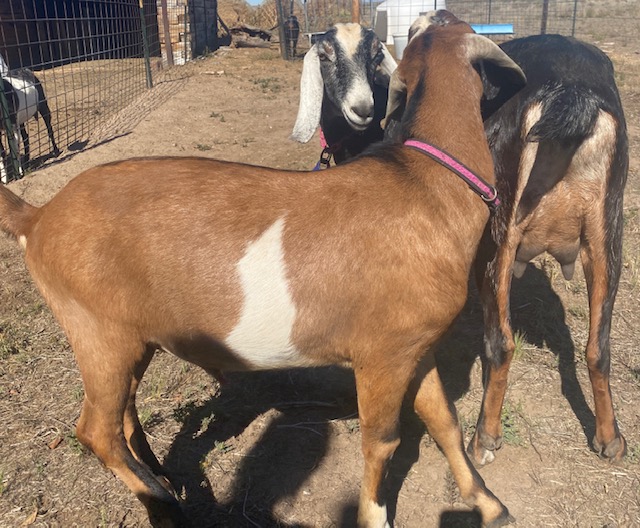
Does come into heat every 18-22 days during breeding season. Having a buck in close proximity to the does will help you know when they are in heat. My bucks are penned about 6 feet from my does. They’re contained in secure fencing of cattle panels and posts to prevent any unexpected outages. This set-up has worked well for me and makes heat detection easy. Some does are extremely obvious when in heat. They aren’t interested in eating, but will scream at the top of their lungs, wag their tails, and pace the fence line all day. Others will be much more discreet and only a buck will know for sure. So, the presence of a buck tends to stimulate does to visually display their heat.
If your buck pen isn’t close to your does, then a good practice would be taking the does to the buck pen on a daily basis. If you do not have a buck on your property, but will be taking your doe to a neighbour for breeding, I encourage you to use a “buck rag”. Take a rag to a mature and in rut buck, rub it all over him, and place that rag in a jar or zip lock bag. Then, take the jar/bag to the doe every day and open it in front of her nose. She will be uninterested in the rag until she comes into heat, in which she may grab the rag, try to rub all over it, or just stand by it. That would be your cue to load her up and take her to the neighbour’s buck for breeding. Since we are with these dairy animals multiple times a day, it’s easier to observe subtle differences or abnormal behaviours signaling heat.
Signs Your Doe is in Heat
-Lack of appetite and/or decreased milk production
-Standing to be mounted by other does
-Cracking heads with herd mates
-Unusually aggressive, noisy, and/or active
-Hanging around the buck pen
-Tail wagging
Once your doe has been bred (once is enough!), remove her and place her back in her pen. She may continue to exhibit signs of heat for the next 24 hours, but the buck only needs to mount her once while she is in standing heat. Make sure you note on your calendar the date she was bred, 21 days later (to watch for signs of her coming back into heat around this date, in which case she will need to be bred again), and her due date.
There is a really cool and free app called Goat Gestation Date Calculator that I use frequently for a very quick reference on all these dates and more. It’s also handy to “look ahead” at potential breeding dates. I’ve previously had to plan kidding around a human baby being born, and have had to skip heats before.
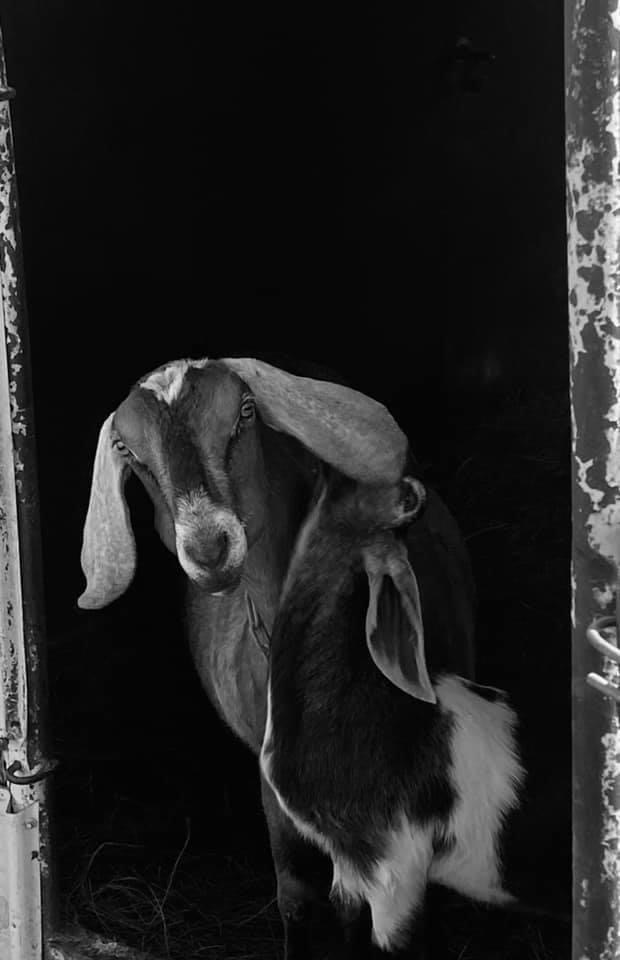
Let’s not forget that you should be breeding a healthy animal! Your animals should be having regular hoof trimmings, bucks included! Bucks can have a hard time doing their job if their feet have been neglected. Does and bucks should also be in good condition (bucks have extra energy requirements during breeding season as rut is hard on them and they can and will lose weight if not given extra calories). Does shouldn’t be “fat” but they certainly shouldn’t be under conditioned. Providing high quality, goat specific, loose minerals and optimal nutrition for both bucks and does will prevent deficiencies, help the doe grow healthy fetuses, and prevents distocia and/or post-natal complications.
An under conditioned and deficient doe is better left dry for the season to work on gaining condition. Breeding an unthrifty animal will only cause heartache, stress, and potentially death for the doe and/or kids. It’s much easier to keep your animals in good condition and provide them with all the nutrients they need year round. Be proactive rather than reactive!
Have a Happy Breeding season, folks!
Lacey Yates is a monthly contributor to the Milkmaid Society. With a wealth of dairy goat knowledge Lacey has been working to fill our goat troubleshooting section with valuable dairy goat information!