By Kenzi Wethington
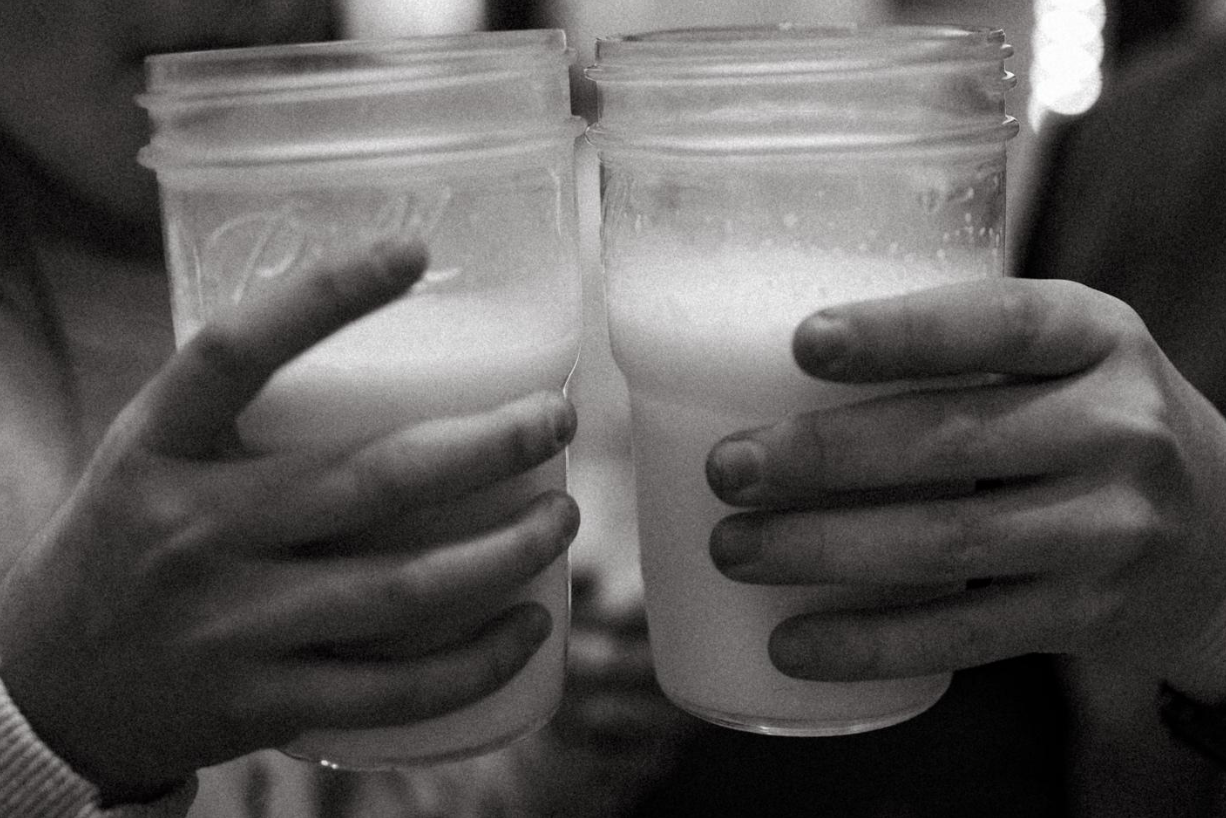
All of my fellow milkmaids have been there. The fridge is full of milk. You have already made cheese, yogurt, and butter and the cow still has to be milked this evening. What do you do when the milk seems to be never ending and you don’t want to waste a drop of your cows precious, liquid gold?
Or perhaps you are like me and believe in the value of community sufficiency. We can’t individually do it all, but if we each focus on our strengths or what our space allows we can create a strong community of local food and food freedom.
Raw milk has grown exponentially in popularity in the last year. The revival of the family milk cow is a dream to many. There is no denying the benefits of raw milk vs its dead, grocery store counterpart. People are opening their eyes to our food supply and its numerous issues and are seeking a way to be connected to their food. There is a movement of people searching for their local farmers- food raised by people they can meet, know and shake hands with. At Wethington Farms, we like to say we are living in the Raw Milk Revolution. If you find yourself in a place of a little too much milk for your family to consume and process, a HERD SHARE might be something for you to consider.
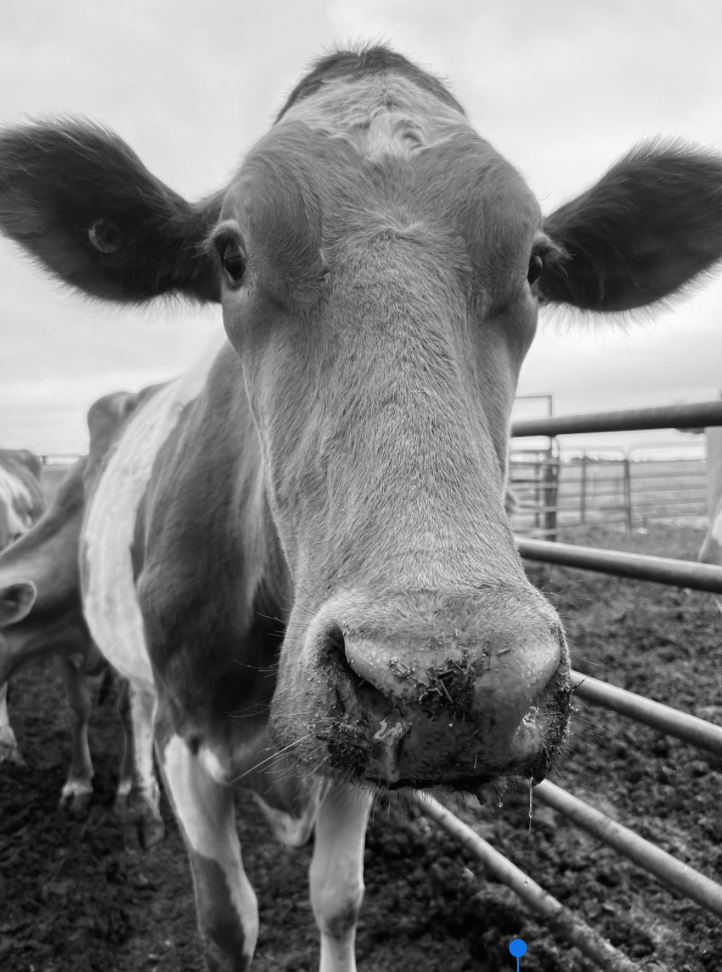
Wikipedia defines a HERD SHARE as a contractual arrangement between a farmer and consumer, the shareholder or member, through which the shareholder is able to obtain raw milk, meat, offal and other profits of the livestock proportionate to the shareholders interest in the herd.
A herd share is simply selling a “share” or percentage of your family milk cow to another family. This is an initial purchase fee to become part owner of the livestock. As part owner of the cow they are required to pay a pre-decided upon monthly fee to help with the care expenses, feed and milking of the cow. In exchange for helping with the cows expenses they then receive a designated amount of the milk from the cow each week.
This can be a blessing to you as a milkmaid as the herd share income can help with your farm expenses. It is likewise a blessing to a family who could not obtain raw milk otherwise. We all know that the expenses can add up quickly when it comes to our milking ladies. From feed to minerals to hoof care to unexpected vet visits, the family milk cow is not cheap. Turning that excess milk into a steady monthly payment can be a huge help!
But I don’t want to share my cow! You don’t have to. The share holder or member of your herd share program does not have a say in the decision making for the cow or have the right to show up and handle the cow. It is simply a contractual agreement consisting of a monthly boarding fee payment in exchange for an x amount of milk each week. You still have full control of your animal, making the decisions for her and being her sole caretaker.
Herd Share Arrangements
Each herd share arrangement looks different based upon the situation and each unique farm. The way we operate our herd share program would look different than yours because your expenses are unique to your farm. When determining what to charge for your share fee you will need to value the cow herself compared to the approximate percentage of milk the share owner will be receiving. For example if your dairy cow is valued at $3,000 and she makes 5 gallons a day you could figure out a one time share fee as follows:
5 gallons a day x 7 days = 35 gallons weekly.
If you would like your herd share member to receive 1 gallon each week, that is 1/35 interest in the cow. $3,000 divided by 35 is $85. You might then charge a one time $85 fee to purchase a share of your cow. A bill of sale can be used to show this transaction.
When determining your monthly boarding fee you will need to look at your total costs to care and upkeep the cow. Detailing your monthly expenses will help you determine what your milk is worth. Remember to include expenses such as AI or breeding and hoof maintenance in addition to the obvious monthly expenses such as your feed and minerals. When you put to paper what you spend each month to keep your cow functioning her best you can then determine what a reasonable amount would be to ask for their percentage of the monthly boarding. Keep in mind that herd share members do not pay for unexpected costs such as a trip to the vet. They pay a predetermined amount every month as long as they wish to be a member.
Because they pay the monthly boarding fee to help with their share of the cow, they receive raw milk weekly. Going off the example above, the member would receive 1 gallon of milk each week. It is helpful to set a specific day that the member will receive their milk. Will they bring their own jar to transfer the milk into? Will you provide a glass jar and lid as long as they return a clean one in exchange each week? Will you meet in a specific location to give them their milk or will they be expected to pick it up from your farm? These are all great questions to consider prior to making an arrangement with someone.
Producing raw milk for others comes with some added responsibility. Every milkmaid I know gives great consideration to the cleanliness of their milking practices.
A few things to keep in mind when producing milk for other families:
- Is your cow disease tested? Will you regularly test her for BLV, BVD or Johnes?
- How are your chilling practices? Proper chilling goes a long way in the shelf life of your milk.
- How many months of the year will your cow be in milk? Will the herdshare member be expected to pay a boarding fee year round or only the months when your cow is in milk?
- Will you use antibiotics should a need arise? Herd share members will need to be notified of any milk withdraw requirements should your cow come down with mastitis or other ailment.
- Will you calf share? An iodine dip prior to milking may be a necessary step to prevent the transfer of bacteria.
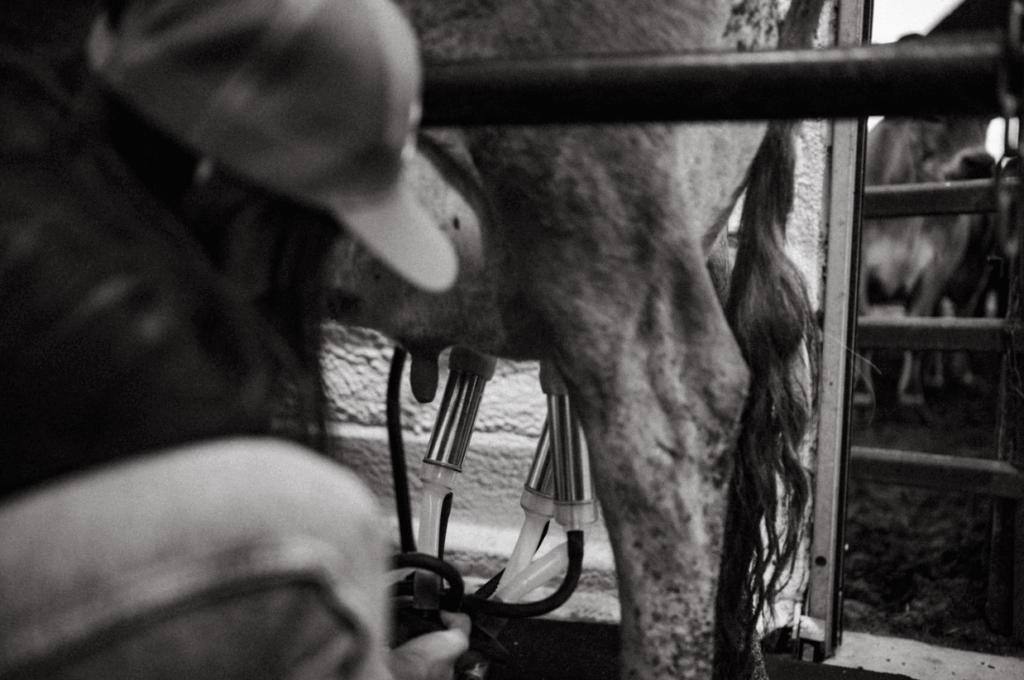
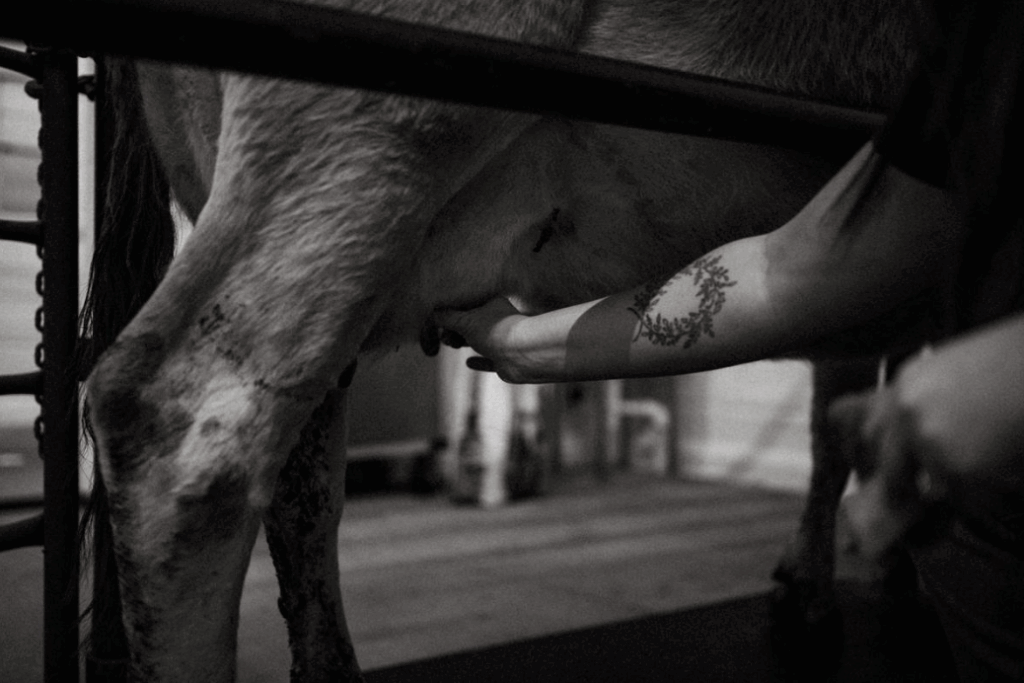
The added stress and coordination of a herd share program might not be up your alley! You may have the ability to process every bit of your milk or feed other farm animals with it. There is freedom and beauty to having your own family cow in the privacy of your homestead. For me, a herd share program has been a way to bless many other families all while doing something that I love- milking my dairy girls.
Herd shares are not legal in every state or province, so always check your local laws when it comes to the distribution of raw milk. A few similar ways to share your excess milk are Private Membership Associations, Pet Milk Licenses or simply bartering of goods or services.