
One of the first steps of planning breeding is determining when your cow is coming into heat. For some cows, this is a breeze, detecting heat is obvious, but for others, they make it difficult. This is especially the case when you keep a solitary cow and the most common sign of standing to be mounted, can not be monitored. I have 100% been the person watching my milk cow and thinking, “are you really in heat?” If this is you, or has been you in the past, I am excited to tackle some of the tell tale signs of heat in this blog post, as well as some of the lesser known signs.
To get us started, let’s look at the basics.
What is a “Heat?”
Cows that are in the correct phase of their cycle to get bred are commonly referred to as “in heat” also known as estrus. This estrus typically occurs every 21 days but may vary between 18-24 days depending on the individual cow.
Time of Breeding
According to Penn State University, ovulation (the point when an egg is released to be fertilised) typically occurs between 25-32 hours after a cow starts showing signs of heat. A cow must be bred before ovulation because once in the uterus sperm must go through a process called capacitation, which takes about 6 hours. Once capacitation is complete, sperm can fertilise a viable egg and the goal is to have the sperm ready and waiting as soon as that egg is released. For this reason cows are often bred half way through what is referred to as “standing heat” the point at which a cow stands to be mounted, this is a natural indication given by the cow of the correct point to breed.
The trouble with all of these timelines is that they must actually be observed. The best way to understand a cow’s heat cycle is to monitor them multiple times a day so that you know when heats are starting. This is not always possible but tracking your cow’s heats is a great place to start in nailing down your cow’s individual heat cycle.
Interesting Fact – Semen can remain viable in the uterus for 18-24 hours but eggs are only fertile for 10 to 12 hours.
Tracking Your Cow’s Heats
One of the best things you can do to ensure successful breeding is start paying attention to your cow’s cycle. Cows typically cycle every 21 days, but this can vary between cows. Getting an idea of how often your cow is coming into heat is one of the best ways to make sure you catch it. As well, since detecting heat and knowing when to breed are both important, tracking the progression of your cows’ heat can also be helpful. For example, when does it start? How often after it starts are they standing to be mounted? When is it ending? All of these observations can make getting your cow bred much easier. Also don’t be afraid to communicate with your AI tech if you have questions about your cow’s heat and breeding timelines.
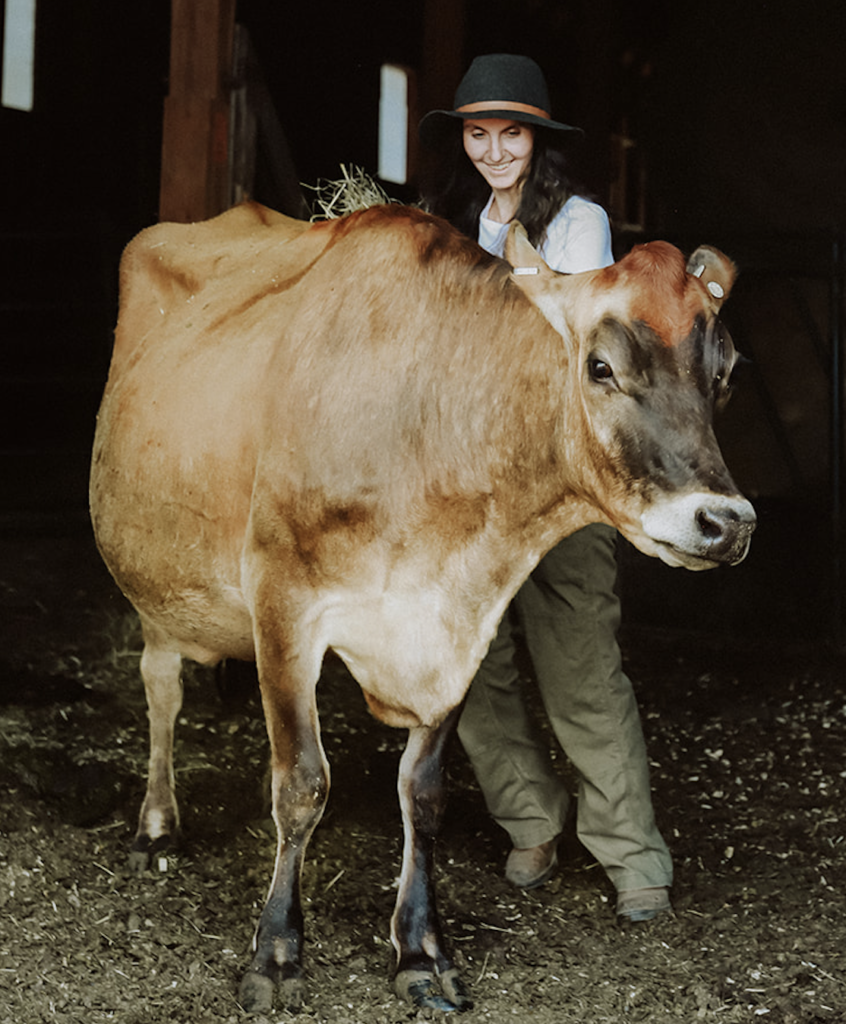
Signs That Your Cow is in Heat
- Standing to be mounted. The key word here is standing, cows that do not stand when their herd mates mount them, are probably not in the correct phase of their heat. Standing heat can last about 12-18 hours of the entire heat and occurs when the cow stands for at least a few seconds before moving forwards. Standing heat timelines may vary in individual cows and can be as short as only a few hours or as long as 24.
- Bellowing, restless, excitable, irritable, increase walking
- Mounting other cows
- Keeping their tail cocked to one side and their back arched
- Clear mucus discharge- This often looks like a long clear mucus string and may be smeared on their back or on their tale.
- Drop in milk production
Signs That You Have Missed the Window to Breed
If you have missed your window to breed your cow, don’t worry, you now have a timeline for tracking next month’s heat and catching her at the correct point. Signs that your cow was in heat and now is not can be;
- Absence of heat signs after physical signs of being mounted such hair rubbed off on the tail head or mud on the cow’s back from other cows mounting her.
- Bloody discharge. This is referred to as post estrus bleeding. Plan to watch for heat detection 17-19 days later.
Tools to Help You Detect Heat
- Tracking heat cycles on a calendar.
- Relying on other cows penned in with your cow to mount them.
- Heat detection patches. These inexpensive adhesive stickers are stuck to the back of your cow and rub off when another animal mounts them.
Options When You Can Not Detect Heat or Get Your Cow Bred
- Focus on the cow’s overall health. In order for a cow to cycle properly, like any living thing, they must be healthy. Cows that are underweight, minerally lacking or have other health concerns may not show heats. Focusing on reestablishing health is key in successful breeding. Focus on a balanced diet, loose mineral access and consider consulting with your vet for blood tests that will give you more of an indication of overall health.
- Try live coverage (aka, a bull). Bulls are perfectly designed to get the job done. Though AI breeding has come a long way, bull breeding with a healthy, viable bull, is much more successful.
- Synchronise your cow’s heat. Artificially synchronizing your cow’s heat with hormones causes your cow to come into heat at a predictable time and breeding can be planned better.
- Try Breedwell by Reverence Farms. Breedwell is a botanical substance sold by reverence farms that helps female cows who are otherwise healthy, show heat signs. I have never used it, but if you are looking for ways to detect heat, this may be a great option.