
By Lacey Yates
I have had an on-farm lab now for about 4 months. Not only have I learned so much (from milk machine cleanliness and chilling milk properly to acceptable coliform and Standard Plate counts. I’ll explain this in a bit more detail later), but I have also been able to help a girl I mentor with my on-farm lab. While on farm-labs can come with a bit of an investment price tag, the information and peace of mind they come with make them absolutely worth it! This post is all about why I think you should look into setting up a small lab on your farm.
I actually started the process of becoming a RAWMI (Raw Milk Institute) Listed Raw Milk Farmer, and was eligible for a grant to be reimbursed up to $500 for the initial lab set-up. Since my on-farm lab was just under $500, I was fully reimbursed. While the RAWMI Listed Milk Farmer program is not a “walk in the park”, they help you break down every aspect of producing raw milk, giving you ideas to improve production, safe raw milk handling, and even the health of your animals. RAWMI common standards aim for a rolling three-month average of <5,000cfu/mL for SPC and <10/mL for coliforms. At the end of this post, I will share my list of items for my on-farm lab.
You may be asking yourself why this is even important. Maybe you think your raw milk seems to be just fine now, so why even bother with an on-farm lab? My answer is you may not have a problem now, but when you do, you need answers as fast as you can get them. OR, like in my case, I THOUGHT my milk machine was in tip-top shape, and my cleaning practices were on point. I found my coliform counts were just over 10, which meant that, in fact, somewhere in my machine, there was a bacteria colony that needed to be addressed to bring those levels down. I also found that my first APC (this is both good and bacteria) count was really high. This was directly related to the slow chilling of milk. So I began chilling raw milk in an ice bath and DRAMATICALLY reduced these APC counts to under RAWMI recommended standards.
I also want to point out that labs are a great tool for PREVENTING raw milk issues. Have you ever had a contaminated cheese make? If you had an on-farm lab, you could have pinpointed the issues within your raw milk production likely PREVENTING that contaminated cheese. Have you ever questioned if your cow or goat were dealing with more than just normal edema after calving/kidding? You can easily smear milk from that animal onto an Accumast tray and within 12-15 hours have an answer as to whether your cow is dealing with mastitis, WHAT type of mastitis, and exactly how to treat the particular mastitis vs. sampling each quarter, sending that sample in the mail to a lab, hoping your sample wasn’t contaminated, and waiting for them to run it and inform you of those results. No more guessing and blind treating, which leads to antibiotic resistance. It’s much cheaper, easier, and quicker to just run it yourself utilizing your own on-farm lab. Faster results mean quicker treatment and a better outcome for the animal. When you’re looking at $25-$30 (compared to $1-$3/in-house testing) to mail and have a lab run mastitis tests, you can see how quickly that adds up, especially when you should be retesting following treatment to ensure that the infection is clear.
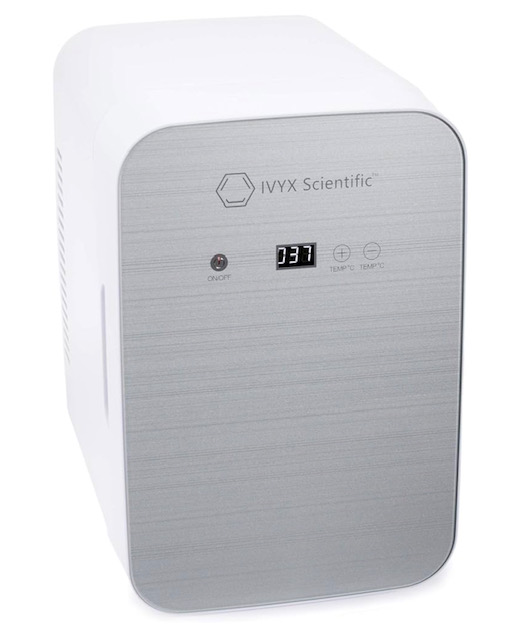
Let’s talk about the basics of setting up an on-farm lab. First things first, you will want to set up your lab somewhere clean and preferably out of the way. The first piece of equipment you will need is an incubator. This doesn’t need to be top of the line, but it is one of the most costly things you need to initially purchase. I chose the IVYX Scientific 5L Incubator that I purchased from Amazon. The temperature control ranged from 0-55 degrees C. It’s small, easy to use, and perfect for my needs.
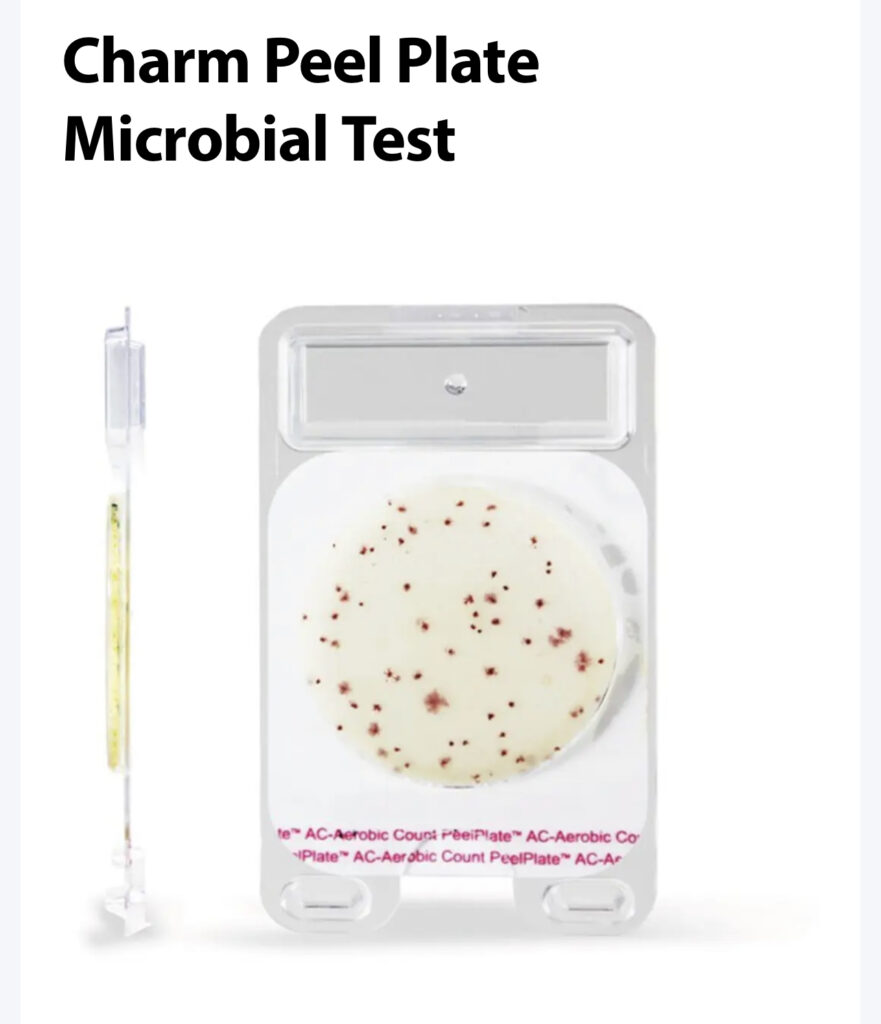
Then you will need your Coliform Count and APC Charm Peel Plates, along with buffered water solution. The buffered water solution I prefer to get in the 9mL size, and they’re already set up to add 1mL of milk (giving you 10 total mL of milk solution that you will take 1mL from to run the APC test. You will read the results after incubation and multiply by 10…hence the 10mL set up). The Coliform Count plate just requires 1mL of fluid milk. Those results are read by counting the total colonies grown after total incubation time.
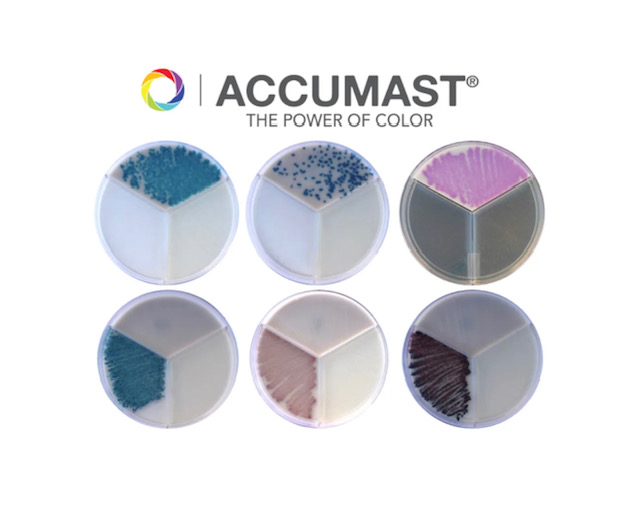
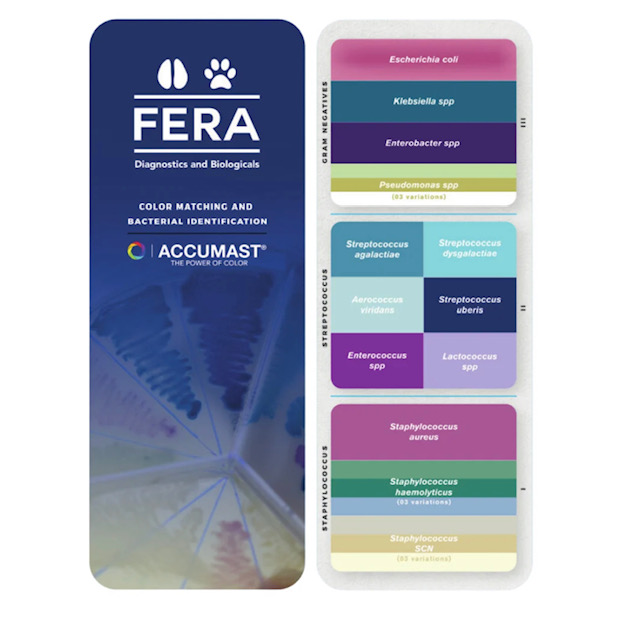
In addition to keeping track of Coliform and APC counts, (I prefer to monitor a few times a month and will run more frequently if I have elevated counts. This helps me figure out a normal for my cleanliness practices… and changing out milk hoses/inflations) I also like to have Accumast trays on hand at all times. Accumast trays are specifically for mastitis detection. There are 19 different mastitis strains that these trays will detect! Not only do these diagnose exactly what strain of mastitis you are dealing with…or even IF you are dealing with mastitis (also, customer service is wonderful. If you have any questions, you can text a picture to the customer service number and they can help you confirm/diagnose) but they also have a link to descriptions of each strain, and how to treat them. These trays are a wonderful tool to have on hand, giving you peace of mind and a jump on any possible mammary issues you may face. These are definitely worth having on hand, and are cheap insurance even if you never have to use them. I personally haven’t used them for my herd, but have used them for a goat owned by a girl I mentor. We easily confirmed and diagnosed the goat’s early stage of the Klebsiella strain of mastitis. While it took her 3 different treatments (meaning we went through four trays total as after every treatment we waited the recommended amount of time before retesting the milk to ensure the treatment was working or not.
I won’t go into too many details here, but I will say the conventional treatment of antibiotics did not work with this goat, and finally the last treatment of synergy she tried DID work. This just goes to show had we not screened and retested after the first treatment, we would not have known that the infection was not fully gone, rather resistant to conventional medication, and the goat would have been a chronic case), the goat finally tested clear and is free of mastitis currently.
If it’s within your budget, consider investing in an on-farm lab. This will not only save time, money, and the potential health of your animals, but it will also ensure the continuous production of safe and top-quality raw milk.
Lab Set Up List
Coliform ($78.78) and APC Charm ($78.84) plates, 100 in each
Buffered Sterile Water (I get the 9mL ones) $74.91/100
Long Q-Tip Swabs $9.50 (these are used for Accumast smears)
These are the main supplies. You can also add disposable gloves, paper towels, and your time. (I’d say it takes 10 minutes to perform the tests, let them incubate, and seconds to read them.)